
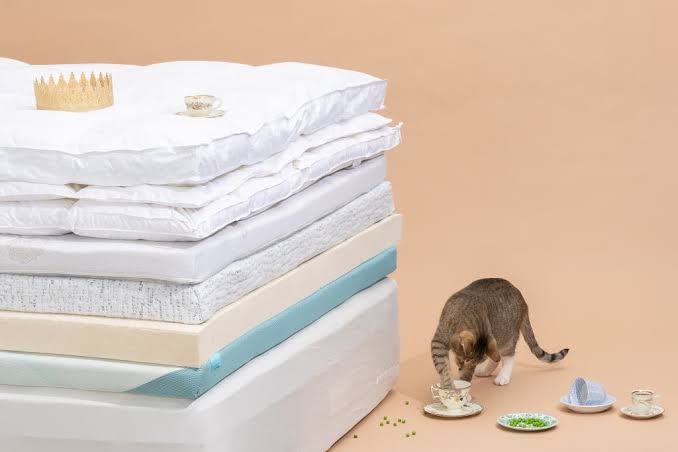
A soft mattress does not always need replacing. If it remains level and structurally sound but feels too cushioned, a firm mattress topper can create a steadier surface.
That distinction is important: a topper changes the layer your body meets first; it does not rebuild the mattress underneath. It may reduce the feeling of sinking in, make movement easier, and create a more controlled surface. It cannot correct a worn-out mattress or weak foundation.
Start with the source of the softness
“Too soft” can mean different things. You may sink deeply at the shoulders or hips, feel restricted when changing positions, or notice that the center sits lower than the edges.
A topper is most useful when the mattress feels soft but is still even. It is less useful when there is a visible dip, persistent trough, broken support, or unevenness you can feel through the sheets. Adding material over a deep impression may make the bed feel thicker, but it will not restore support below.
Before shopping, remove the bedding and inspect the mattress on a flat foundation. Lie in your normal sleeping position for several minutes, then change positions. Notice whether the softness is broad and even or concentrated in one area. This matters more than labels such as “medium” or “plush,” which are not standardized.
What a firm topper can change
A firm topper creates a new comfort layer above the existing mattress. It may change:
How quickly you sink in.
How much cushioning you feel at the surface.
How stable the bed feels when you roll or change positions.
The pressure and contouring sensation of the top layer.
The perceived firmness of a soft but level mattress.
This can suit sleepers who dislike the deeply enveloping feel of a plush comfort layer. It can also be a practical experiment when a mattress is relatively new, clean, level, and supportive but softer than expected.
The BEDSTORY SPINEALIGN® Mattress Topper, available in 2-inch, 3-inch, and 4-inch thickness options, is a firm mattress topper that helps reduce excessive sinking in soft beds, promote spinal alignment, and relieve discomfort around the back, hips, and shoulders, while the removable, washable cover and adjustable straps make everyday care easy.
What a topper cannot fix
A topper is not a structural repair. If a mattress has lost support beneath its comfort layers, a firmer top layer may reduce the plush sensation without eliminating the instability underneath.
Signs that a topper may be unsuitable as a first step include:
A visible body impression or sag when no one is on the bed.
A center section that feels lower than the perimeter.
Noticeably uneven coils, springs, or support components.
A bent, loose, or poorly supported foundation or slat system.
A mattress that feels markedly different from one side to the other.
A topper also cannot make every sleep position feel the same. Side sleepers often need enough give at the shoulders and hips, while many back and stomach sleepers prefer a flatter, less deeply cushioned surface. Body size, sleep position, and the mattress beneath the topper all affect the result.
If you have persistent, severe, or unexplained pain, seek advice from a qualified healthcare professional. A topper is a comfort product, not a diagnostic or treatment tool.
Thickness: more is not automatically firmer
Thickness affects how much you notice the topper before reaching the mattress below. A thinner option changes the surface while preserving more of the mattress’s original character. A thicker option creates a more distinct layer and can produce a larger overall change.
That does not mean the thickest topper will feel firmest. Thick, soft material can allow more sink than thinner, firmer material. Consider thickness alongside the stated feel, material behavior, and condition of the mattress.
Density and firmness are not the same
When comparing a firm memory foam topper, density and firmness are often discussed together, but they describe different things.
Density refers to how much material is packed into a given volume. Firmness describes how the material feels under compression. Dense foam can still feel conforming, while another construction may feel firmer at the surface. Product descriptions may use brand-specific language, so focus on the stated feel, construction, thickness, and current trial and return terms.
Firm does not necessarily mean hard. The goal is a surface that better matches your preferences while still working with the mattress below. If you sleep on your side, an extremely unyielding topper may not be comfortable simply because your old mattress feels too soft.
Evaluate the bed before and after
Use the same evaluation routine before purchase and after setup. This keeps the decision based on the actual bed rather than generalized expectations about ideal firmness.
A simple evaluation checklist
Check that the mattress is level from head to foot and side to side.
Inspect the foundation or slats before blaming the mattress surface.
Identify the main issue: deep sink, slow movement, edge softness, unevenness, or heat retention.
Note your usual sleep position and whether you share the bed.
Measure mattress height to plan for deeper-pocket sheets if needed.
Review the exact size, firmness description, care instructions, shipping, trial, return policy, and warranty on the live product page.
Give the new setup time in your normal routine before judging it.
Compare the result in your usual sleeping position, not only while sitting on the edge.
There is no universal best firm topper. A good choice for a lightly plush, level mattress may be a poor choice for a deeply sagging one.
Installation details that affect the result
Place the topper flat on a clean, dry mattress. If it arrives compressed, follow its current setup instructions rather than assuming a particular expansion time. Make the bed after it lies evenly and the corners are aligned.
Sheet fit matters. A topper increases total bed height, and shallow sheets can pull it out of position or cause bunching. A protector can keep the surface clean, but quilting or padding may slightly alter the feel you wanted.
If the mattress has a removable cover or special care requirements, review them before adding layers. For adjustable bases, make sure the topper can move with the bed without shifting excessively.
Make the decision based on the mattress beneath it
A firm mattress topper works best when it has a focused job: refining the surface of a mattress that is still level and serviceable. It can be a lower-commitment way to test whether you prefer less sink and a more stable top layer.
If the mattress is uneven, damaged, or no longer supportive, assess the mattress and foundation first. No comfort layer can reliably substitute for a stable base.
Frequently Asked Questions
Can a firm topper make a soft mattress feel firmer?
Yes. It can make the surface feel firmer and reduce the immediate plush sensation, especially when the mattress beneath it is level. The size of the change depends on the topper’s construction and thickness, your body type, and the original mattress.
Will a topper fix mattress sagging?
No. It may make a sag less noticeable temporarily, but it cannot restore the internal support or level structure of a sagging mattress. Inspect both the mattress and foundation first.
Is a thicker firm topper always better?
No. More thickness creates more separation from the mattress below, but it also changes bed height and does not determine firmness by itself. Match thickness to the size of change you want.
What should I verify before ordering?
Check the selected product’s size, firmness description, materials, care instructions, shipping, trial, returns, and warranty on its live product page.