

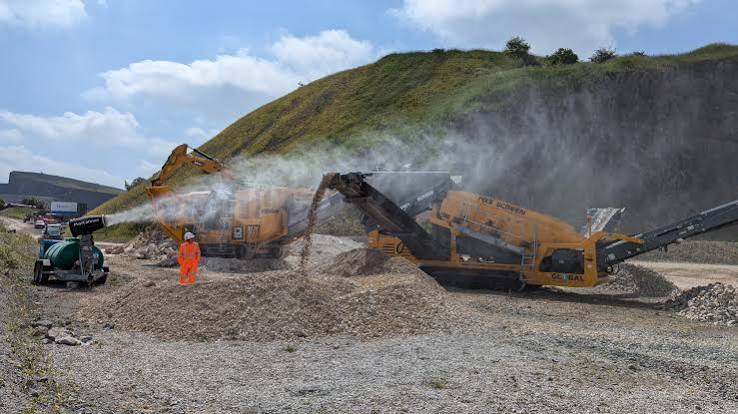
Quarries, landfills and bulk handling sites share a common challenge: heavy vehicles carry material on their tyres and chassis when they leave. The result is mud on public roads, complaints from residents and attention from regulators. A clear, practical plan helps prevent it.
Understand where the dirt comes from
Most track-out originates at loading areas, haul roads and unsurfaced yards. Reducing the amount of loose material on those surfaces, through sweeping, compaction or limestone surfacing, lowers the load on any cleaning system further down the line.
Layered measures work best
No single measure solves everything. A sensible set-up combines hard-surfaced exit roads, a dedicated cleaning stage and regular road sweeping. For the cleaning stage, many operators install a wheel wash unit at the exit. Vehicles pass through, tyres and undersides are rinsed, and most of the soil stays on site.
Signs, procedures and training
Drivers need to know the route and understand why the cleaning step matters. Clear signage, speed limits near the wash and simple written procedures reduce errors. Supervisors should check exits regularly and respond quickly when roads look dirty.
Documenting your controls
Keeping a log of inspections, cleaning schedules and complaints demonstrates diligence to regulators. If an incident occurs, records show that the operator had effective controls and responded correctly.
Plan for peaks
Traffic is rarely constant. Harvest seasons, project deadlines and wet weather can double vehicle movements. Sizing the equipment for the busiest hour, not the average, prevents bottlenecks and ensures that vehicles are not tempted to bypass the wash.
Conclusion
Preventing mud tracking is a matter of good housekeeping plus the right equipment at the exit. Operators who combine both rarely face the problems that make headlines.