
Industrial equipment operates under demanding conditions, making regular inspections essential for maintaining safety, efficiency, and performance. However, inspecting complex machinery is not always straightforward. Many critical components are located inside enclosed systems, narrow pipelines, or areas that are difficult to access without dismantling equipment. Traditional inspection methods can be time-consuming, expensive, and sometimes insufficient for identifying hidden defects.
Modern inspection technology offers practical solutions to these challenges. An Industrial Endoscope allows maintenance professionals to examine internal components without extensive disassembly. By providing visual access to confined spaces, these devices help industries identify potential problems, improve maintenance planning, and reduce unnecessary interruptions.
Difficulty Accessing Internal Machinery Components
One of the biggest challenges in industrial inspections is reaching components located deep inside machinery. Engines, turbines, gearboxes, and production equipment often contain intricate internal structures that cannot be examined through conventional visual inspections.
Dismantling such equipment requires specialized tools, trained personnel, and considerable time. Furthermore, repeated disassembly can introduce additional maintenance risks.
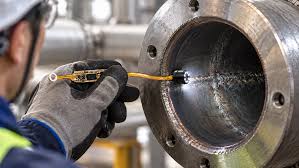
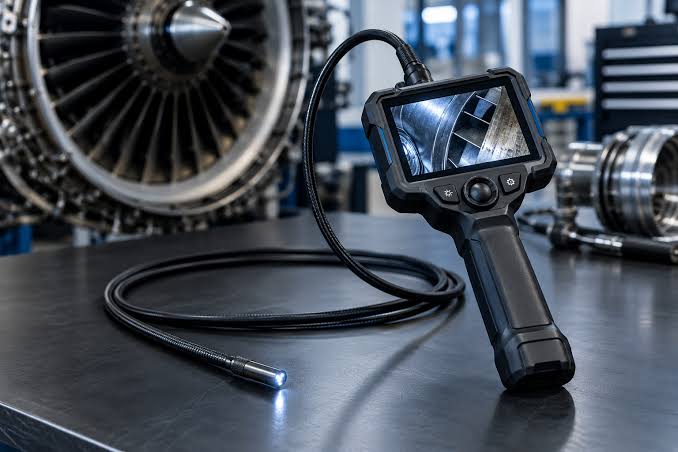
Industrial endoscopes address this challenge through flexible or rigid insertion tubes equipped with miniature cameras or optical systems. Technicians can guide these devices through existing openings to observe internal surfaces and components. This approach makes it easier to identify cracks, corrosion, deposits, and other visible abnormalities while minimizing the need for equipment disassembly.
Identifying Hidden Damage Before Equipment Failure
Mechanical equipment can develop internal damage long before external warning signs become noticeable. Small cracks, surface wear, corrosion, and loose components may gradually affect performance without producing immediate operational problems.
When these issues remain undetected, they can contribute to unexpected equipment failures and expensive repairs.
Using an Industrial Endoscope during routine inspections helps maintenance teams examine areas that would otherwise remain hidden. Detailed visual observations can reveal early indications of deterioration, allowing technicians to investigate suspicious conditions before they become more serious.
Although visual inspection cannot identify every type of defect, it provides valuable information that supports preventive maintenance and informed repair decisions.
Inspecting Narrow Pipes and Confined Spaces
Industrial facilities frequently contain pipelines, ventilation systems, hydraulic assemblies, and other enclosed structures. These environments present inspection challenges because their internal surfaces are difficult to observe directly.
Blockages, corrosion, foreign objects, and accumulated deposits can interfere with normal operations. Locating these problems using traditional methods may require opening multiple sections of a system.
Endoscopes equipped with suitable insertion tubes and illumination systems allow technicians to navigate confined spaces and examine internal conditions. Depending on the equipment design, operators can inspect bends, joints, and other areas where problems commonly develop.
This capability is particularly useful in manufacturing plants, processing facilities, and maintenance workshops where efficient inspection procedures are essential.
Reducing Downtime During Maintenance Operations
Equipment downtime represents a significant operational concern for industrial businesses. Every inspection requiring extensive dismantling can interrupt production schedules, increase labor requirements, and delay maintenance activities.
Conventional inspection procedures may involve removing protective covers, disconnecting assemblies, or temporarily shutting down equipment for detailed examination.
Industrial endoscopes can simplify certain inspection tasks by providing access through existing ports or small openings. This reduces the amount of disassembly required and allows maintenance teams to assess internal conditions more efficiently.
However, inspections must still follow appropriate safety procedures, including equipment isolation when necessary. Faster visual access should never replace established workplace safety requirements.
Improving Inspection Accuracy and Documentation
Another common challenge involves maintaining consistent inspection records. Traditional visual assessments may depend heavily on individual observations, making it difficult to compare equipment conditions over time.
Modern video endoscopes often include imaging features that allow technicians to capture photographs and record inspection footage. These records can support maintenance reports, technical discussions, and future equipment assessments.
Clear visual documentation also helps maintenance teams communicate findings with engineers and supervisors. Comparing images from previous inspections may reveal changes in surface conditions or the progression of visible damage.
However, accurate interpretation still requires appropriate training, sufficient image quality, and an understanding of the equipment being inspected.
Managing Inspection Challenges in Harsh Industrial Environments
Industrial inspections frequently take place in environments exposed to moisture, dust, oil, chemicals, and extreme temperatures. These conditions can complicate equipment handling and affect inspection reliability.
Selecting an appropriate endoscope requires careful consideration of its operating temperature range, insertion tube durability, lighting capabilities, and environmental protection rating.
For example, inspecting machinery containing residual oil may require a different device configuration than examining a dry ventilation duct. Similarly, equipment exposed to elevated temperatures must be allowed to cool unless the inspection instrument is specifically rated for those conditions.
Matching the inspection tool to the operating environment helps protect the equipment and supports dependable inspection results.
Supporting Preventive Maintenance and Long-Term Equipment Reliability
Preventive maintenance focuses on identifying potential problems before they develop into major operational failures. However, maintenance schedules are only effective when technicians have reliable information about equipment conditions.
Endoscopic inspections can complement vibration analysis, thermal imaging, ultrasonic testing, and other diagnostic methods. Together, these approaches provide a broader understanding of machinery performance and component health.
By incorporating internal visual inspections into maintenance programs, businesses can make better decisions about repairs, component replacement, and equipment servicing.
Conclusion
Industrial inspections involve numerous challenges, from accessing enclosed components to identifying hidden damage and minimizing operational downtime. Traditional inspection techniques remain important, but they may not always provide the accessibility and efficiency required for complex machinery.
Industrial endoscopes offer a practical way to examine difficult areas, document internal conditions, and support preventive maintenance. When used alongside appropriate inspection procedures and trained personnel, these tools can help industries improve maintenance efficiency, protect valuable equipment, and maintain reliable operations over time.