

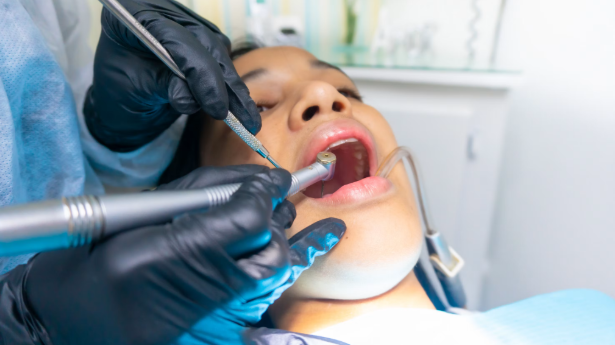
A dental crown needs a stable foundation to fit securely, protect the remaining tooth structure, and produce a natural-looking result. However, when a tooth is damaged close to the gumline or covered by excess gum tissue, placing a crown directly may not provide enough healthy tooth structure for proper restoration. In these situations, a clinical crown lengthening procedure may be necessary to expose more of the natural tooth before crown placement. This treatment involves carefully reshaping the gum tissue and, when required, the underlying bone to create adequate space for the final restoration. At Cape Cod Perio, patients can receive periodontal evaluations to determine how gum health and tooth structure may affect their restorative treatment.
Why Crown Lengthening May Be Necessary Before a Dental Crown
A dental crown must have enough healthy tooth structure to support its edges and remain securely attached. Dentists need sufficient access to the tooth so the crown can fit properly without placing unnecessary pressure on the surrounding gum tissue.
Certain dental conditions can make this difficult. For example, a tooth may have extensive decay below the gumline, a fracture extending close to the bone, or insufficient visible structure after previous dental treatment. Excessive gum tissue can also cover part of the tooth that needs restoration.
Without addressing these concerns, crown placement may lead to problems such as:
Poor crown margins that allow bacteria to collect.
Persistent gum inflammation around the restoration.
Difficulty maintaining proper oral hygiene.
Insufficient tooth structure for reliable crown retention.
Crown lengthening creates additional access to the natural tooth, allowing the restorative dentist to prepare it appropriately. The procedure is recommended only when the clinical findings indicate that additional tooth exposure is necessary.
What Happens During a Crown Lengthening Treatment?
Crown lengthening is a periodontal surgical treatment that changes the position of the gum tissue around a tooth. Depending on the amount of exposure required, the periodontist may remove or reposition gum tissue and reshape a small amount of supporting bone.
The treatment is planned around the tooth's anatomy, the position of the surrounding bone, and the requirements of the intended dental crown.
Examination and Treatment Planning
The process begins with a detailed examination of the affected tooth and surrounding periodontal tissues. The periodontist evaluates the gumline, bone levels, tooth structure, and existing dental restoration.
Dental X-rays or other appropriate imaging may be used to assess the relationship between the tooth and supporting bone. This helps determine how much tissue needs to be adjusted while preserving periodontal health.
Reshaping Gum and Bone Tissue
During surgery, the treatment area is numbed with local anesthesia. The periodontist then makes careful adjustments to expose more of the natural tooth.
If the gum tissue alone prevents sufficient tooth exposure, removing or repositioning a small amount of gum tissue may be enough. However, if the bone sits too close to the intended crown margin, the underlying bone may also need reshaping.
The objective is to establish an appropriate relationship between the tooth, restoration, and surrounding periodontal tissues.
Protecting the Treated Area
After the necessary adjustments, the surgical area is cleaned, and the gum tissue is positioned appropriately. Sutures may be placed to support healing and maintain the intended gumline.
The patient receives instructions for caring for the surgical area, maintaining oral hygiene, and attending follow-up examinations.
Understanding the Crown Lengthening Technique
The appropriate crown lengthening technique depends on the condition of the tooth, the thickness of the gum tissue, and the position of the supporting bone. Not every patient requires the same surgical approach.
The main techniques include:
Gingivectomy
A gingivectomy involves removing excess gum tissue to expose more of the natural tooth. It may be appropriate when sufficient space exists between the gumline and supporting bone.
This approach is generally considered when the main concern is excessive gum coverage rather than the position of the underlying bone.
Apically Positioned Flap Surgery
In this technique, the periodontist carefully moves the gum tissue toward the root of the tooth after making surgical adjustments. The repositioned tissue exposes more of the tooth while maintaining access to the supporting structures.
Bone reshaping may also be performed if necessary to create an appropriate relationship between the crown margin and surrounding tissues.
Surgical Crown Lengthening With Bone Reshaping
When the bone is positioned too close to the area needed for crown placement, the periodontist may reshape the supporting bone. This creates sufficient room for the surrounding gum tissue to heal in a healthy position.
The selection of a technique depends on the clinical examination rather than the appearance of the tooth alone.
How the Procedure Affects the Final Dental Crown
Crown lengthening can influence the fit, appearance, and long-term maintenance of a dental restoration. Properly planned treatment helps establish a healthier environment for the crown and reduces the risk of problems caused by placing restoration margins too close to the supporting tissues.
Several aspects of the final restoration may be affected.
1. Improved Crown Fit
Exposing additional tooth structure gives the restorative dentist better access to prepare the tooth and establish accurately positioned crown margins. This can support a more predictable fit and reduce areas where bacteria may collect.
2. Better Retention and Stability
A crown needs adequate natural tooth structure for retention. Exposing more of the tooth can provide the restorative dentist with additional structure to work with, helping establish a suitable foundation for the restoration.
3. Healthier Gum Tissue Around the Crown
Placing crown margins too close to the supporting bone can interfere with the natural attachment of the gum tissue. This may contribute to persistent inflammation and discomfort. Proper crown lengthening can help establish adequate space for healthy periodontal tissues.
4. More Balanced Appearance
The position of the gumline influences how a dental crown looks, particularly when the treated tooth is visible while smiling. Carefully planned tissue adjustments can help create a more natural relationship between the crown and surrounding teeth.
Aesthetic Crown Lengthening and Its Role in Smile Appearance
Not every crown lengthening treatment is performed to prepare a tooth for restoration. Some patients have excessive gum tissue covering their teeth, creating an uneven or disproportionate appearance when they smile.
Aesthetic crown lengthening focuses on adjusting the gumline to reveal more of the natural tooth surface. The periodontist removes or repositions selected gum tissue to create a more balanced appearance across the visible teeth.
This treatment may be considered for patients who have:
Teeth that appear unusually short because of excess gum coverage.
An uneven gumline across the front teeth.
Excessive gum display while smiling.
Differences in gum contours that affect smile symmetry.
Aesthetic treatment requires careful planning because changes to the gumline can influence tooth proportions and the appearance of the smile. The periodontist evaluates the underlying bone, tooth dimensions, and natural gum contours before recommending surgery.
Although aesthetic and restorative crown lengthening may involve similar surgical steps, their treatment goals are different. One focuses primarily on smile appearance, while the other creates the necessary conditions for a dental restoration.
What Should Patients Consider Before Treatment?
Crown lengthening is a surgical procedure, so an accurate diagnosis and careful planning are necessary. The periodontist must determine how much tooth structure can be exposed without compromising the supporting tissues or the appearance of neighbouring teeth.
At Cape Cod Perio, periodontal assessment can help identify the factors that influence treatment planning and the final restorative outcome.
Patients should discuss the following points with their dental team:
Existing tooth damage: The amount and location of decay or fracture determine how much healthy tooth structure remains.
Bone support: The position and condition of the surrounding bone influence the surgical approach.
Gum health: Existing periodontal inflammation should be evaluated before surgical treatment.
Restorative requirements: The planned crown design and margin position help determine the amount of tooth exposure needed.
Aesthetic considerations: Changes to the gumline may affect the appearance of nearby teeth, particularly in the front of the mouth.
Following the procedure, patients should carefully follow their periodontist's instructions. Gentle cleaning around the treated area, avoiding unnecessary pressure on the surgical site, and attending follow-up appointments help support proper healing.
The Importance of Proper Planning for Long-Term Restoration Success
A dental crown is only as reliable as the natural structures supporting it. If the gum tissue and bone do not provide enough space for healthy periodontal attachment, placing a crown without addressing the underlying problem may lead to complications.
Crown lengthening helps resolve specific anatomical limitations before restorative treatment begins. Its success depends on preserving healthy supporting tissues, selecting the appropriate surgical technique, and coordinating periodontal care with the restorative dentist.
For patients who need additional tooth exposure before receiving a crown, professional evaluation can clarify the available treatment options. Discussing your concerns with a qualified periodontist and taking the next step to contact us can help you understand how periodontal treatment may support your dental restoration.
A carefully planned approach to gum and bone health provides a stronger foundation for a well-fitting crown, healthier surrounding tissues, and a more natural-looking final result.