

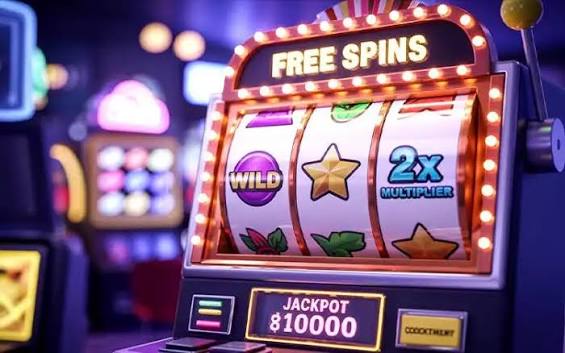
Slot games are among the most recognizable forms of casino entertainment. They have evolved from traditional mechanical machines into modern digital experiences available on computers and mobile devices. Today, slot games come in many themes, formats, and designs, giving players a wide variety of entertainment options.
What Is a Slot Game?
A slot game is a game of chance that typically uses reels containing different symbols. Players select their preferred stake and start a spin. The reels then stop in a random combination, and certain combinations may produce a payout according to the game's rules.
Modern slots can feature three, five, or more reels, while some innovative formats use alternative layouts and mechanics. Each game has its own rules, symbols, and payout structure, so reading the information provided by the operator is important before playing.
Popular Types of Slots
There are several common categories of slot games. Classic slots usually have simple layouts and familiar symbols such as fruits, bars, and traditional icons. Video slots are more advanced and often include animations, sound effects, multiple paylines, and themed features.
Progressive slots are another popular category. These games can contribute a portion of wagers to a larger jackpot that may increase over time. Other modern slots use special mechanics such as cascading symbols, bonus rounds, multipliers, and expanding wilds.
Important Slot Features
One reason slots remain popular is the variety of features available. Wild symbols can substitute for other symbols in certain combinations, while scatter symbols may activate bonus features. Free-spin rounds, multipliers, and interactive bonus games can also add variety to the experience.
Another important term is volatility. Low-volatility games generally provide smaller wins more frequently, while high-volatility games may produce larger wins less often. However, volatility does not guarantee a particular result.
Understanding RTP
RTP, or Return to Player, is a statistical percentage describing the theoretical amount a slot may return over a very large number of plays. For example, a game with a theoretical RTP of 96% does not mean that a player will receive $96 back from every $100 wagered.
RTP is calculated over a large sample of spins. Individual sessions can produce results that are significantly different from the theoretical figure. Players should therefore treat RTP as statistical information rather than a promise of winnings.
Randomness and Fairness
Licensed digital slot games generally use random number generation to determine outcomes. Each spin is independent, meaning previous results do not determine what will happen on the next spin.
This is important because common ideas such as a machine being "due" for a win are not reliable strategies. A series of losses does not make a winning result more likely on the next spin.
Choosing a Slot Game
When exploring slot games, players can compare several factors, including the theme, game mechanics, RTP information, volatility, betting limits, and available features. It is also useful to understand the complete paytable before making any wagers.
Players should use reputable, legally available platforms and check the applicable rules in their location. Terms and conditions should also be reviewed carefully, particularly when promotions or bonuses are involved.
Mobile Slot Gaming
Mobile technology has changed how people access digital casino games. Many modern slots are designed to work across smartphones, tablets, and desktop computers. Responsive interfaces can make the games easier to navigate on smaller screens.
Before using any online gaming service, users should verify that it is legally available in their jurisdiction and understand how deposits, withdrawals, privacy, and account security are handled.
Responsible Play
Slot games are based on chance, and there is always a possibility of losing money. They should therefore be approached as entertainment rather than as a dependable way to make income.
Setting a spending limit before playing can help keep entertainment costs under control. Players should never wager money needed for essential expenses and should avoid chasing losses by increasing bets after losing.
Taking regular breaks and keeping track of time and spending can also encourage healthier gaming habits. If gambling stops feeling recreational or becomes difficult to control, seeking support from a qualified local service is an appropriate step.
Conclusion
Slot games combine simple gameplay with a wide range of themes, mechanics, and visual features. Understanding concepts such as RTP, volatility, paylines, and random outcomes can help users make more informed decisions.
Most importantly, slot gaming should remain within reasonable limits and be treated as entertainment. By understanding the rules, checking applicable laws, and practicing responsible play, users can approach the activity with greater awareness.