

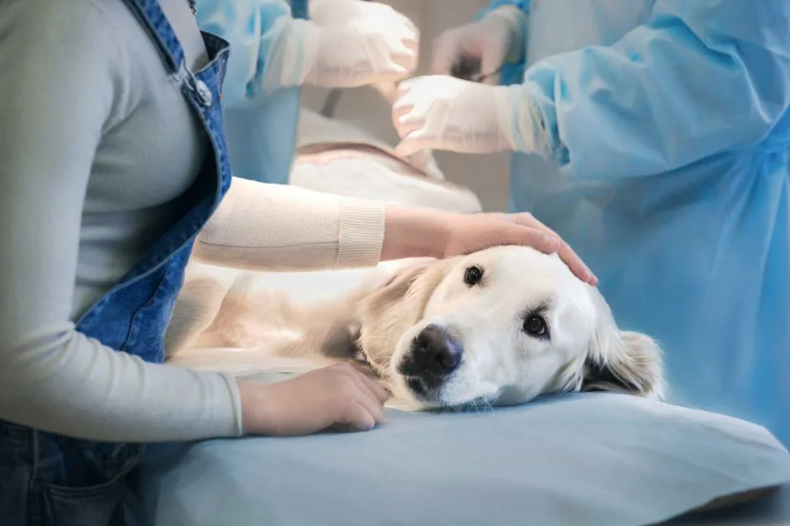
Pets are not just animals; they are beloved members of our families. Their health and well-being are critical to their happiness and longevity. While routine check-ups and preventive care are essential, emergencies can occur without warning. Knowing the signs that indicate your pet needs immediate attention can save their life. If you are in Dubai and suspect that your pet is in danger, visiting an Emergency Vet Clinic in Dubai could be the difference between life and death.
In this article, we will outline the top six signs that your pet requires urgent veterinary care and explain why quick action is crucial.
1. Difficulty Breathing or Gasping for Air
One of the most alarming signs that a pet may be in distress is trouble breathing. If you notice your cat or dog struggling to inhale or exhale, wheezing, or making unusual noises while breathing, this is a red flag. Difficulty breathing can result from several critical conditions such as heart failure, respiratory infections, allergic reactions, or even inhaled foreign objects.
Immediate intervention is necessary because respiratory distress can escalate rapidly, leading to severe complications or death. When you see these symptoms, you should contact an Emergency Vet Clinic in Dubai without delay. Veterinarians in emergency clinics have specialized equipment to provide oxygen therapy, conduct imaging tests, and stabilize pets suffering from breathing issues.
2. Persistent Vomiting or Diarrhea
While occasional vomiting or diarrhea may not be a cause for concern, persistent or severe episodes can be life-threatening. Continuous vomiting can lead to dehydration, electrolyte imbalance, and even organ failure. Similarly, diarrhea, especially when accompanied by blood or mucus, can indicate serious infections, gastrointestinal blockages, or poisoning.
Some common causes of acute gastrointestinal distress in pets include ingestion of toxic substances, spoiled food, or foreign objects like toys or clothing. Immediate veterinary care is critical to prevent complications. Emergency veterinarians can provide intravenous fluids, medications to control vomiting, and diagnostic tests to determine the underlying cause.
3. Sudden Weakness or Collapse
A pet collapsing suddenly or showing signs of extreme weakness is one of the clearest indicators of a medical emergency. This can result from heart problems, severe infections, internal bleeding, or neurological issues.
In cases of sudden collapse, time is of the essence. Delaying medical attention could worsen the situation and reduce the chances of recovery. Emergency vets are equipped to perform rapid assessments, stabilize the animal, and provide life-saving interventions such as intravenous fluids, oxygen therapy, or surgery if required.
Owners should not attempt to wait or treat these symptoms at home, as pets can deteriorate rapidly. If your pet collapses or cannot stand, transport them carefully to an Emergency Vet Clinic in Dubai immediately.
4. Severe Bleeding or Injuries
Pets are naturally curious and active, which can sometimes result in accidents. Severe bleeding, deep cuts, or obvious broken bones require immediate attention. Even if the bleeding appears minor initially, internal injuries may be present and worsen quickly.
External wounds can become infected if not treated promptly, and internal bleeding can lead to shock, which is often fatal if untreated. Emergency vets can provide surgical interventions, administer pain relief, and stabilize pets suffering from traumatic injuries. They can also perform imaging like X-rays or ultrasounds to detect internal damage.
Remember, even minor-looking injuries should not be ignored if your pet is in pain, bleeding heavily, or showing signs of distress.
5. Unresponsiveness or Seizures
Seizures and unresponsiveness are frightening signs that indicate severe neurological or metabolic issues. Pets may experience seizures due to epilepsy, poisoning, low blood sugar, or even brain tumors. Post-seizure, some pets may be disoriented or unable to move normally.
If your pet experiences a seizure lasting more than a few minutes or has multiple seizures in succession, immediate intervention is necessary. Emergency veterinary clinics are equipped to provide medications to control seizures, monitor vital signs, and run diagnostic tests to identify the root cause.
Unresponsiveness, even without seizures, is also a critical sign. Pets that cannot wake up, react to stimuli, or show normal alertness may be experiencing conditions like shock, severe poisoning, or heart failure. Rapid evaluation by trained professionals at an Emergency Vet Clinic in Dubai can prevent irreversible damage and save your pet’s life.
6. Difficulty Urinating or Signs of Urinary Distress
Urinary issues are not always visible but can be life-threatening, especially in cats. Straining to urinate, frequent attempts to urinate with little output, or blood in the urine can indicate urinary blockages. Male cats are particularly prone to this condition, which can cause kidney failure and death within 24 to 48 hours if untreated.
For dogs, difficulty urinating may signal bladder stones, urinary tract infections, or kidney problems. These conditions require urgent veterinary care to relieve pain, prevent infection, and restore normal urinary function. Emergency clinics can perform catheterization, administer medications, and run tests to identify underlying causes.
Ignoring urinary distress can quickly escalate to severe systemic issues, emphasizing the importance of timely intervention.
When to Act Fast
Understanding these signs is essential, but knowing how to act is equally important. If your pet shows any of the symptoms listed above, do not attempt to treat them at home unless advised by a veterinarian. Quick action can make all the difference in survival and recovery.
Dubai has several specialized facilities equipped to handle urgent pet emergencies. Emergency vets have advanced diagnostic tools, surgical capabilities, and trained staff ready to handle critical situations 24/7. By contacting an Emergency Vet Clinic in Dubai, you ensure that your pet receives immediate and professional care.
Preventive Measures to Minimize Emergencies
While emergencies can never be completely prevented, there are steps pet owners can take to reduce the likelihood of critical situations:
Regular Check-Ups: Schedule annual or bi-annual vet visits to monitor your pet’s health and detect issues early.
Proper Diet and Hydration: Maintain a balanced diet and ensure constant access to fresh water to prevent gastrointestinal or urinary problems.
Safe Environment: Keep harmful substances, small objects, and dangerous foods out of reach.
Vaccinations and Parasite Control: Keeping vaccinations up to date and controlling parasites helps prevent infectious diseases.
Monitor Behavior: Early detection of unusual behavior, lethargy, or minor symptoms can prevent emergencies from developing.
By being proactive and attentive, you can reduce the risk of serious medical emergencies, but it is equally important to know when professional intervention is necessary.
Conclusion
Pets rely entirely on their owners for protection and care. Recognizing the signs of a medical emergency is crucial to ensuring their well-being. Difficulty breathing, persistent vomiting, sudden collapse, severe injuries, seizures, or urinary distress are all warning signs that should never be ignored.
When you notice these symptoms, swift action is essential. Contacting an Emergency Vet Clinic in Dubai ensures your pet receives expert care, life-saving treatments, and immediate attention from trained professionals. While preventive measures help reduce the risk of emergencies, being prepared and informed can save your pet’s life.
Caring for a pet is a responsibility that comes with vigilance and awareness. By recognizing the signs early and acting decisively, you provide your furry friends with the best chance at a long, healthy, and happy life. Remember, in emergencies, every second counts.