

introduction
Designing a kitchen is one of the most important home improvement decisions a homeowner can make. It affects daily comfort, property value, storage efficiency, and even how a family interacts at home. This is why professionally designed Fitted Kitchens have become the preferred choice for homeowners who want more than a standard, one-size-fits-all layout.
In Shropshire and surrounding areas, many households are now working closely with an experienced kitchen designer to create fully personalised spaces that balance functionality, style, and long-term durability. A well-planned kitchen is not just installed—it is carefully engineered to suit the way you live.
Understanding the Planning Stage of Fitted Kitchens
Every successful kitchen project begins long before installation. The planning stage is where ideas, measurements, and lifestyle needs come together to shape the final design.
A professional approach to Fitted Kitchens always starts with understanding how the space is used. Some homeowners prioritise cooking efficiency, while others focus on entertaining or family dining. This early stage is critical because it influences layout decisions, storage solutions, and appliance placement.
A skilled kitchen designer typically evaluates:
Room dimensions and structural layout
Natural light sources
Plumbing and electrical points
Movement flow within the space
Storage requirements
Personal style preferences
This ensures the final design is not only attractive but also practical in real-life use.
Why Bespoke Fitted Kitchens Offer Better Long-Term Value
Many homeowners initially compare standard kitchen units with bespoke Fitted Kitchens, assuming the only difference is price. However, the long-term value of custom design is significantly higher due to durability, efficiency, and personalisation.
Unlike flat-pack or pre-set designs, bespoke kitchens are made to fit the exact dimensions of your home. This eliminates wasted space and awkward gaps that often appear in standard installations.
Key long-term advantages include:
Better use of available space
Higher durability due to quality materials
Improved workflow and accessibility
Increased resale value of the property
Reduced need for future modifications
A professional kitchen designer ensures that every inch of space serves a purpose, making the kitchen more efficient and visually balanced.
Designing a Kitchen Around Modern Living Needs
Today’s kitchens are no longer isolated cooking areas. They are multifunctional spaces where families cook, eat, work, and socialise. This shift has changed how Fitted Kitchens are designed.
Modern homeowners expect flexibility, comfort, and smart organisation. As a result, design trends now focus heavily on open layouts, integrated storage, and seamless aesthetics.
Common lifestyle-focused design features include:
Open-plan kitchen and dining integration
Hidden storage to reduce visual clutter
Multi-purpose kitchen islands
Energy-efficient appliances
Durable, low-maintenance surfaces
A knowledgeable kitchen designer takes all these elements into account to ensure the space works for both everyday routines and special occasions.
Choosing the Right Kitchen Style for Your Home
Selecting a design style is one of the most enjoyable parts of planning Fitted Kitchens, but it also requires careful thought. The style must match the architecture of the home as well as personal taste.
1. Contemporary Minimalist Kitchens
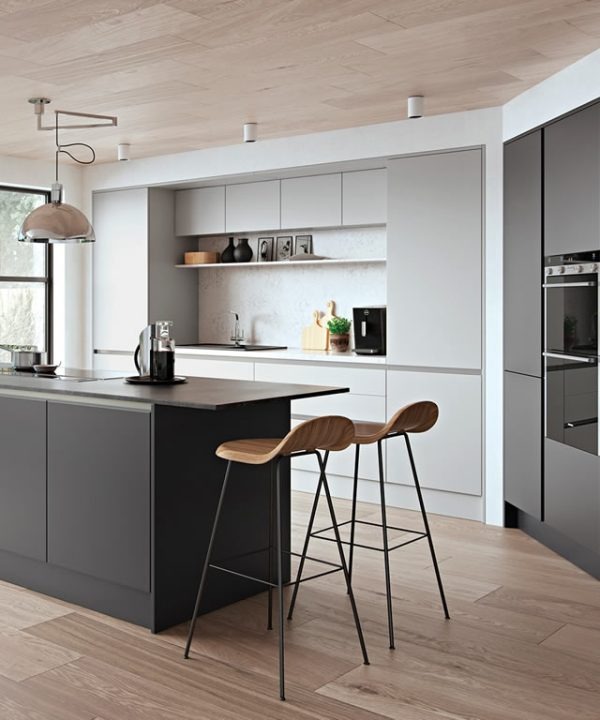
These kitchens focus on simplicity, clean lines, and uncluttered surfaces. Handleless cabinets, smooth finishes, and neutral colours are commonly used. They are ideal for modern homes or open-plan living spaces.
2. Classic Traditional Kitchens
Traditional kitchens bring warmth and character. With detailed cabinet designs, natural textures, and timeless finishes, they are perfect for homeowners who prefer a homely and elegant feel.
3. Practical Family Kitchens
Designed for busy households, these Fitted Kitchens prioritise durability and usability. They often include robust surfaces, ample storage, and flexible layouts suitable for children and daily family activity.
A professional kitchen designer helps homeowners choose a style that not only looks appealing but also suits long-term lifestyle needs.
The Role of a Kitchen Designer in Creating the Perfect Layout
A common mistake in kitchen renovation is underestimating the importance of professional design input. A qualified kitchen designer brings technical expertise and creative vision that significantly improves the final outcome.
Instead of focusing only on appearance, designers think about how the kitchen functions in everyday life. This includes movement between cooking, washing, and storage zones.
A good designer focuses on:
Efficient workflow planning
Balanced lighting design
Safe appliance positioning
Ergonomic storage access
Visual harmony and proportion
They often use advanced 3D design tools, allowing homeowners to see a realistic preview of their Fitted Kitchens before any installation begins. This reduces risk and improves decision-making. When planning a renovation, it's also worth addressing any underlying moisture issues that could affect the long-term durability of cabinetry, flooring, and adjacent living spaces. Choosing an experienced and budget-friendly company like Better Basements and Waterproofing helps protect your home from water damage, ensuring your newly renovated kitchen remains in excellent condition for years to come.
Installation Process: Turning Design Into Reality
Once the design is finalised, the installation phase begins. This stage requires precision, coordination, and skilled workmanship to ensure the kitchen is built exactly as planned.
A full-service approach to Fitted Kitchens typically includes complete project management, which removes stress from the homeowner.
Step-by-step installation process:
1. Site Preparation and Measurement Verification
Before installation starts, final checks ensure all measurements are accurate and the space is ready for fitting.
2. Structural and Utility Work
If required, plumbing and electrical systems are adjusted to match the new kitchen layout.
3. Cabinet Installation
Units are fitted with precision to ensure alignment and durability.
4. Worktop and Appliance Fitting
Worktops, sinks, ovens, and integrated appliances are installed and tested.
5. Final Finishing and Quality Check
Final adjustments are made to ensure everything meets design standards.
This structured process ensures that the completed kitchen is both functional and visually perfect.
Materials and Craftsmanship That Define Quality Kitchens
The quality of Fitted Kitchens depends heavily on the materials used. High-grade materials not only improve appearance but also extend the lifespan of the kitchen.
Common premium material choices include:
Solid wood or high-quality MDF cabinetry
Quartz or granite worktops
Soft-close drawer systems
Scratch-resistant surfaces
Heat and moisture-resistant finishes
A skilled kitchen designer helps homeowners select materials that match both budget and lifestyle requirements, ensuring a balance between aesthetics and practicality.
Benefits of Investing in Professionally Designed Fitted Kitchens
Choosing professionally designed kitchens provides several important advantages that go beyond simple visual appeal.
1. Personalised Design
Every kitchen is tailored to individual needs rather than mass-produced standards.
2. Better Space Efficiency
Custom layouts ensure no space is wasted, even in challenging room shapes.
3. Improved Daily Comfort
A well-designed kitchen reduces effort during cooking, cleaning, and storage.
4. Long-Term Durability
High-quality materials and expert installation ensure long-lasting performance.
5. Enhanced Home Value
Modern Fitted Kitchens significantly increase property appeal for future buyers.
Maintaining Your Fitted Kitchen for Long-Term Performance
Once installed, proper care ensures your kitchen remains in excellent condition for years. Maintenance is simple but important.
Recommended care practices:
Clean surfaces regularly with mild cleaners
Avoid harsh chemicals on worktops
Keep appliances well-maintained
Check hinges and fittings periodically
Ensure proper ventilation in cooking areas
A well-maintained kitchen retains both its beauty and functionality over time.
Conclusion
Planning and installing bespoke Fitted Kitchens is a detailed process that combines creativity, technical skill, and practical thinking. From the initial design stage to final installation, every step plays a role in creating a space that truly enhances daily life.
More posts from our blogKeep reading