

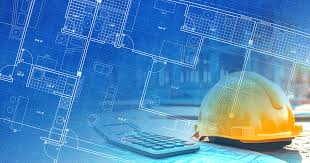
The construction industry is one of the most important sectors of the global economy. It is responsible for developing the infrastructure that supports modern life, including residential buildings, commercial properties, transportation networks, educational institutions, healthcare facilities, and industrial projects. As cities continue to grow and populations increase, the demand for efficient and high-quality construction projects remains strong.
However, successful construction projects require much more than skilled labor and quality materials. Effective planning, budgeting, and resource management play a critical role in determining whether a project is completed on time and within budget. This is where construction estimating becomes essential. Accurate cost estimation helps construction companies make informed decisions, reduce financial risks, and improve overall project outcomes.
In today's competitive market, businesses that combine strong project management practices with precise construction estimating are better positioned to achieve long-term success. Understanding the relationship between these two elements is essential for anyone involved in the construction industry.
Understanding the Modern Construction Industry
The construction industry encompasses a wide range of activities related to the planning, design, development, and maintenance of structures and infrastructure. It includes residential construction, commercial projects, industrial facilities, public infrastructure, and renovation work. Every project involves multiple stakeholders, including architects, engineers, contractors, suppliers, and project managers.
Over the past decade, the industry has undergone significant changes driven by technological innovation, evolving client expectations, and increasing sustainability requirements. Construction companies are now expected to deliver projects faster, maintain high safety standards, and manage costs more effectively than ever before.
As projects become larger and more complex, proper planning has become increasingly important. Companies can no longer rely solely on experience or rough calculations when preparing project budgets. Instead, they need detailed cost analysis and accurate forecasting to remain competitive. This growing need has increased the importance of construction estimating throughout the industry.
Why the Construction Industry Plays a Vital Economic Role
The construction industry contributes significantly to economic development by creating jobs, supporting businesses, and improving infrastructure. Construction projects generate employment opportunities for millions of workers, including engineers, architects, project managers, equipment operators, and skilled tradespeople.
Beyond direct employment, the industry supports numerous related sectors such as manufacturing, transportation, logistics, technology, and real estate. When new buildings, roads, bridges, and utilities are developed, they create opportunities for economic growth and community development.
Infrastructure investment is particularly important because it improves connectivity, enhances productivity, and attracts business investment. Modern transportation systems, commercial centers, and residential developments all depend on a strong construction sector. As governments and private organizations continue investing in infrastructure, the demand for efficient project delivery will continue to increase.
To meet these expectations, construction companies must carefully manage budgets and resources. This is why construction estimating has become a fundamental part of successful project planning.
The Importance of Construction Estimating in Project Success
Construction estimating is the process of calculating the expected costs associated with a construction project before work begins. These calculations typically include material costs, labor expenses, equipment requirements, subcontractor fees, permits, and contingency allowances.
Accurate construction estimating serves as the foundation for effective project planning. Before a contractor submits a proposal or begins construction, stakeholders need a realistic understanding of the project's financial requirements. An estimate provides this information and helps decision-makers determine whether a project is financially viable.
One of the biggest benefits of construction estimating is cost control. When project costs are properly forecasted, contractors can allocate resources efficiently and reduce the likelihood of budget overruns. This not only protects profitability but also improves client satisfaction.
In addition, estimating helps establish realistic project timelines. By understanding labor and material requirements in advance, project managers can develop schedules that minimize delays and improve productivity. As a result, accurate estimating contributes directly to smoother project execution and better project outcomes.
How Technology is Transforming Construction Estimating
Technology has significantly improved the way estimates are prepared and managed within the construction industry. Traditional estimating methods often relied on manual calculations, spreadsheets, and historical experience. While these approaches can still be useful, modern software solutions have introduced greater accuracy and efficiency.
Today's estimating platforms allow professionals to calculate costs quickly using updated databases containing current material prices, labor rates, and equipment expenses. These systems reduce human error and help estimators generate more reliable forecasts.
Building Information Modeling (BIM) has also transformed project planning and estimation. BIM allows teams to create digital representations of structures before construction begins. Estimators can use these models to identify required materials, calculate quantities, and detect potential design conflicts early in the planning process.
Artificial intelligence and data analytics are further enhancing estimating capabilities by analyzing historical project data and identifying patterns that improve forecasting accuracy. As technology continues to evolve, construction companies that embrace digital tools will gain a significant competitive advantage.
Common Challenges Facing the Construction Industry
Despite ongoing growth opportunities, the construction industry faces several challenges that can affect project performance and profitability.
One major challenge is fluctuating material costs. Prices for steel, concrete, lumber, and other essential materials can change rapidly due to supply chain disruptions, economic conditions, and global demand. These fluctuations make accurate cost forecasting more difficult and increase the importance of regular estimate updates.
Labor shortages also continue to impact construction companies in many regions. Finding skilled workers has become increasingly challenging, which can lead to higher labor costs and project delays. Companies must account for these factors when preparing estimates and scheduling work.
Another challenge involves project complexity. Modern construction projects often require specialized expertise, advanced technology, and coordination among multiple stakeholders. Without proper planning and communication, unexpected issues can arise that increase costs and extend project timelines.
Construction estimating helps address these challenges by providing a structured framework for analyzing risks and preparing realistic budgets. Companies that invest in accurate estimating processes are often better equipped to manage uncertainty and maintain profitability.
Best Practices for Accurate Construction Estimating
Achieving accurate estimates requires more than simply calculating material and labor costs. Successful estimators follow a systematic approach that considers all aspects of a project.
A thorough review of project drawings and specifications is an essential first step. Understanding project requirements helps estimators identify potential cost drivers and avoid overlooking critical details.
Site conditions should also be carefully evaluated. Factors such as accessibility, terrain, weather conditions, and existing infrastructure can significantly influence project costs. Conducting detailed site assessments helps improve estimate accuracy and reduce unexpected expenses.
Collaboration is another important factor. Estimators should communicate with architects, engineers, suppliers, and project managers throughout the planning process. This collaboration ensures that estimates reflect realistic assumptions and current market conditions.
Regularly updating cost databases is equally important. Material prices and labor rates change over time, and outdated information can lead to inaccurate projections. By maintaining current data, estimators can produce more reliable and competitive bids.
The Future of the Construction Industry
The future of the construction industry will be shaped by innovation, sustainability, and digital transformation. Emerging technologies such as automation, robotics, artificial intelligence, and smart building systems are already changing how projects are designed and constructed.
Sustainable construction practices are also becoming increasingly important. Developers and clients are placing greater emphasis on energy efficiency, environmental responsibility, and long-term building performance. These priorities are influencing project planning, material selection, and cost estimation processes.
As construction projects continue to grow in complexity, the role of construction estimating will become even more critical. Companies will need highly accurate forecasts to manage costs, reduce risks, and remain competitive in an evolving marketplace.
Organizations that invest in advanced estimating tools, skilled professionals, and data-driven decision-making will be better prepared to adapt to future industry changes and deliver successful projects.
Conclusion
The construction industry remains a cornerstone of economic development and infrastructure growth. As projects become more complex and client expectations continue to rise, effective planning and financial management are more important than ever.
Construction estimating plays a central role in this process by providing accurate cost forecasts, supporting informed decision-making, and reducing project risks. From budgeting and scheduling to resource allocation and profitability, estimating influences nearly every aspect of project success.
Companies that prioritize accurate construction estimating and embrace modern technologies will be better positioned to navigate industry challenges, improve operational efficiency, and achieve sustainable growth. In an increasingly competitive environment, combining strong estimating practices with effective project management can provide a valuable advantage and contribute to long-term success in the construction industry.