

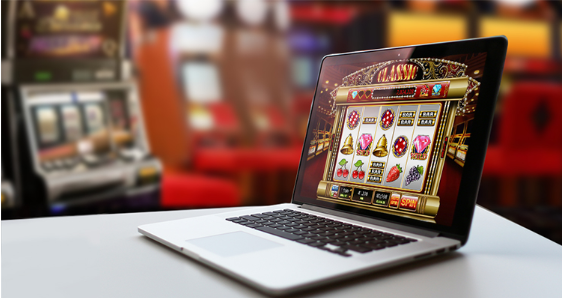
Online casino play used to come with a small pile of friction: downloads, updates, device restrictions, and that annoying feeling of committing to “an app” for something you might only use for 15 minutes. Browser-based platforms flipped that. Now it’s tap, load, play, done.
That’s why lobbies like tamasha casino games online feel built for modern entertainment habits. They don’t ask for loyalty up front. They just open fast, work across devices, and let people slide into a session the same way they’d open a stream or a social app.
The big shift: gambling is behaving like on-demand media
Browser platforms aren’t just changing how casino games are delivered. They’re changing the vibe.
Instead of “install and commit,” the model is:
instant access
short sessions that still feel complete
easy switching between games
less technical overhead
That aligns with how people actually use the internet now: in bursts, between messages, during breaks, late at night when attention is thin. Browser play fits that rhythm perfectly.
Instant access is the new competitive edge
Nobody brags about downloading an app anymore. It’s not a feature. It’s a barrier.
Browser-based casinos win because they remove steps:
no installation
fewer update prompts
quicker return sessions
smoother multi-device use (mobile to laptop and back)
It sounds basic, but “basic” is what separates platforms people stick with from platforms they forget about.
Mobile-first UX is finally… mobile-first
For years, a lot of casinos were “mobile compatible,” which is another way of saying “technically works if you pinch-zoom and forgive us.” Browser-based platforms have pushed the industry to treat mobile as the main screen, not the backup screen.
That shows up in:
layouts designed for thumbs
bigger, clearer bet controls
better portrait-mode play
faster loading on average connections
It’s also about what’s not there: fewer cluttered overlays, fewer pop-ups that block the game, less UI noise. People want to play, not navigate.
Browser tech got good enough to stop being the excuse
A decade ago, browsers were the limitation. Now, browsers are the power tool.
Modern web tech makes it possible to deliver:
high-quality graphics without heavy downloads
smooth animation and responsive controls
full-screen play that feels app-like
stable streaming for live dealer games (when included)
The experience is closer to “native app” than most people would admit. Sometimes it’s better, because the platform can update server-side without forcing the user to do anything.
Short-form sessions are changing what games get promoted
Here’s something that’s easy to miss: browser play encourages quicker decision-making. People jump in for a few spins or a few hands, then bounce. That behavior rewards games that deliver immediate engagement.
So the lobby emphasis shifts toward:
instant-win and fast-round titles
slots with quick bonus triggers (or at least the promise of them)
simple table formats that don’t require a long warm-up
live tables with faster pacing and clear UI
It’s not that long sessions disappeared. It’s that platforms are now built to capture “micro-sessions” without feeling incomplete.
The lobby became the product
In browser-based casinos, the lobby isn’t just a list of games. It’s the main interface people experience, and it’s doing heavy lifting.
Better lobbies tend to have:
smart filtering that doesn’t make users think too hard
search that actually finds what people mean, not just exact titles
“recently played” and “continue” features that shorten the path back
categories based on how people browse (new, trending, quick play, live, jackpots)
This is basically streaming logic: the front page determines whether the user plays at all.
Live content fits the browser model surprisingly well
Live dealer and game-show formats are a natural match for browser platforms. Why? Because live play thrives on convenience. If getting into a live table takes too long, the moment dies.
Browser access supports:
quick table entry
fast switching between rooms
lower friction for casual try-outs (“just one round”)
easier drop-in viewing, even before placing a bet
And live games are entertainment-forward. They feel closer to interactive streaming than traditional gambling, which is exactly where online entertainment has been heading anyway.
Trust signals matter more when everything is one click away
Browser play is easy to start and just as easy to abandon. That means platforms need to earn trust quickly.
Users look for instant reassurance:
clean, consistent design (messy UI screams “sketchy”)
clear rules and limits visible without digging
transparent game info and provider details
stable performance (lag reads as dishonesty, even when it’s not)
People don’t always articulate this, but they feel it. When the site looks and behaves professionally, they relax. When it doesn’t, they leave.
Cross-device continuity is becoming expected
A browser-first platform quietly supports modern “device hopping.” Someone might start on mobile, continue on a laptop, then check results later on a tablet. If the experience breaks across screens, it feels outdated.
The better platforms support:
consistent interface and navigation across devices
session continuity (within reasonable limits)
account access that doesn’t punish users for switching screens
This is where browser delivery shines: the platform follows the user, not the hardware.
What’s next: more “entertainment platform,” less “casino site”
Browser-based casinos are increasingly borrowing playbook elements from everywhere else online:
streaming-style lobbies and recommendations
event-based schedules (tournaments, drops, limited-time tables)
social features that feel lightweight, not forced
personalization that reduces scrolling and speeds up choice
The end result is obvious: casinos are becoming entertainment hubs, not just gambling menus.
The takeaway
Browser-based casino platforms are redefining online entertainment because they match how people actually behave online: fast entry, quick sessions, easy switching, low friction. The tech finally caught up, and the product design followed.
It’s not about replacing apps entirely. It’s about removing unnecessary commitment. Open a tab, get the experience, move on—or stay longer if it earns it. That’s the new standard, and it’s not going away.