

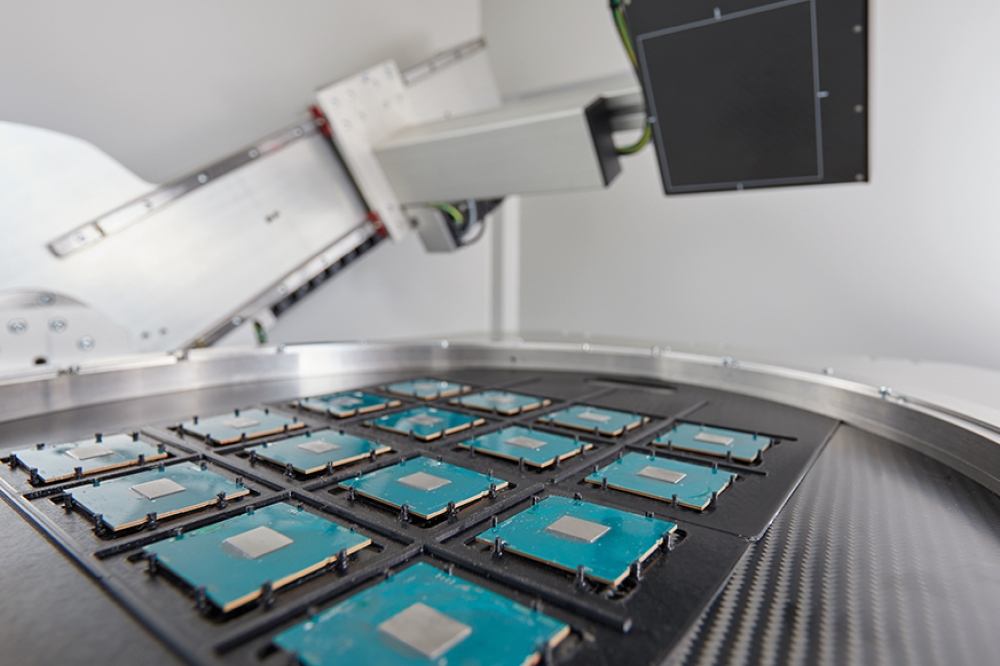
Modern industrial inspection systems rely on precise electrical control to achieve accurate imaging and dependable results across manufacturing environments. At the core of this performance are high-voltage X-ray source manufacturers, which develop advanced systems designed to deliver stable energy output for high-quality X-ray inspection.
Advanced power design has become a critical factor in improving imaging consistency, system reliability, and operational efficiency. It ensures that X-ray systems maintain controlled voltage levels even under demanding industrial conditions. This stability directly affects image clarity, defect detection capability, and long-term system performance in continuous inspection environments.
Importance of Stable Power Design In Imaging Systems
Stable power design is essential for ensuring consistent radiation output and accurate inspection results in X-ray systems. Without proper voltage regulation, imaging quality can fluctuate, leading to unreliable results that affect production quality.
Stable electrical performance directly influences how effectively internal defects are detected during inspection processes. It also determines how consistently systems can operate in high-demand industrial environments that require continuous scanning.
Advanced power design ensures consistent energy delivery, reduces fluctuations, and improves system efficiency across continuous operations, making it a foundational element in modern X-ray technology.
Stable voltage ensures consistent radiation behavior across inspection cycles
Reduced electrical variation improves repeatability of imaging results
Controlled energy delivery supports long-duration industrial usage
Improved system stability reduces inspection errors in production lines
Enhanced regulation ensures uniform performance under load changes
Role of High Voltage Systems In Industrial Imaging
High-voltage systems generate and regulate the energy required for X-ray production. Their performance directly impacts image clarity, penetration capability, and inspection accuracy.
In modern industrial applications, high-voltage X-ray source manufacturers play a key role in developing systems that maintain stable voltage output for reliable imaging performance. These systems are engineered to support precise inspection requirements across electronics, automotive, and aerospace industries where accuracy is critical.
At the same time, high-voltage generator solution technologies are integrated into these systems to ensure smooth energy conversion and controlled power delivery. This combination allows imaging systems to maintain stable operation even in environments with fluctuating electrical conditions.
Voltage Stability In X-Ray Tubes
Stable voltage ensures that X-ray tubes operate with consistent energy levels, producing uniform radiation output. This stability is essential for maintaining clear imaging results during repeated inspections.
Energy Regulation and Control
Advanced systems regulate energy flow to prevent fluctuations that can distort imaging results. Controlled voltage improves reliability in defect detection processes across industrial applications.
Improved Imaging Precision
Precise power control enhances image resolution, allowing finer structural details to be captured during inspection. This improves accuracy in identifying micro-level defects.
Reduced Electrical Noise
Stable systems minimize interference and signal distortion, ensuring clean imaging output during inspection cycles. This leads to more reliable analysis in quality control processes.
Engineering Efficiency In Power System Design
Modern power systems are designed with efficiency and stability as core principles, ensuring optimal performance under continuous industrial usage. These systems must balance energy output, heat control, and long-term durability.
Efficient engineering ensures that X-ray systems maintain consistent operation without performance degradation. This is particularly important in high-throughput manufacturing environments where downtime must be minimized.
Advanced design approaches also help reduce operational costs while improving imaging reliability and system lifespan.
Compact System Architecture
Efficient design reduces system size while maintaining high performance. This allows easier integration into industrial inspection setups and automated production lines.
Thermal Management Integration
Advanced cooling mechanisms prevent overheating and ensure consistent performance during long operational cycles. This helps maintain stable imaging output.
Energy Optimization Techniques
Modern systems reduce power loss and improve energy utilization, ensuring cost-effective operation in industrial environments while maintaining high performance.
Enhanced Component Protection
Protective circuits safeguard sensitive components from voltage fluctuations and electrical stress, improving system durability and reducing failure risks.
Impact on Industrial Inspection Performance
Advanced power design significantly improves the quality and reliability of industrial X-ray inspection results. It ensures stable imaging conditions that support accurate defect detection and consistent output.
Stable electrical regulation reduces variability between scans and improves overall system efficiency. This leads to better decision-making in quality control processes and reduces production waste.
The impact is especially important in industries where precision is critical, such as electronics and aerospace manufacturing.
Improved image clarity for detailed inspection and analysis
Stable radiation output ensures consistent results across cycles
Enhanced detection of internal structural defects in components
Reduced variation in repeated scans improves reliability
Increased operational stability in high-volume production environments
Better process control through consistent imaging feedback
These improvements make inspection systems more dependable, efficient, and suitable for modern industrial demands where precision is non-negotiable.
Technological Advancements In Power Control Systems
Continuous innovation in power technology has significantly improved how X-ray systems operate in demanding environments. These advancements focus on precision control, efficiency, and intelligent system behavior.
Modern systems now incorporate digital technologies that allow real-time adjustments and automated performance optimization. This ensures that imaging systems maintain stability even under variable industrial conditions.
Digital Voltage Regulation
Modern systems use digital controllers to maintain precise voltage levels and ensure stable imaging performance across all operational conditions.
Intelligent Monitoring Systems
Real-time monitoring allows operators to track system performance and detect issues early, improving operational reliability and reducing downtime.
Automated Safety Controls
Built-in safety systems prevent damage caused by electrical fluctuations, overloads, or unexpected system variations during operation.
Smart Feedback Mechanisms
Feedback loops help maintain consistent energy delivery throughout inspection cycles, improving stability and accuracy.
Adaptive Performance Optimization
Systems automatically adjust to changing conditions, ensuring efficient and stable operation across diverse inspection requirements.
Conclusion
Advanced power design plays a vital role in improving X-ray inspection performance by ensuring stable voltage regulation, precise energy control, and reliable imaging output. These factors collectively enhance system accuracy, efficiency, and long-term operational stability across industrial environments. As industries continue to demand higher precision, the importance of robust electrical systems grows.
As technology continues to evolve, organizations like VJ X-Ray continue to innovate through engineering excellence, while high-voltage generator solution technologies strengthen system stability and ensure superior inspection performance across industries.