

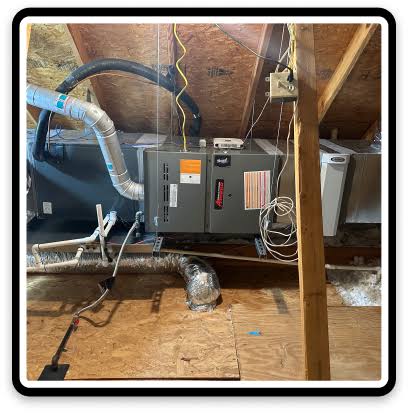
When temperatures drop, a dependable heating system becomes essential for maintaining indoor comfort. Unfortunately, even well-maintained systems can develop issues over time. Professional furnace repair helps restore performance, improve energy efficiency, and prevent small problems from becoming expensive breakdowns.
Understanding the warning signs and acting quickly can extend the life of your heating system while keeping your home warm throughout the colder months qq88.
Why Furnace Repair Is Important
A heating system experiences regular wear during continuous operation. Components such as motors, burners, fans, sensors, and electrical connections gradually lose efficiency. Timely furnace repairs addresses these issues before they affect the entire system.
Delaying repairs often leads to:
Higher energy consumption
Uneven heating
Unexpected breakdowns
Increased repair costs
Reduced equipment lifespan
Professional furnace repair keeps the heating system operating safely and efficiently while minimizing interruptions during winter thể thao qq88.
Common Signs You Need Furnace Repair
Recognizing early symptoms helps prevent larger mechanical failures.
Uneven Heating
If certain rooms remain cold while others feel comfortable, your heating system may require furnace repair to restore balanced airflow.
Strange Noises
Grinding, squealing, rattling, or banging sounds often indicate worn internal components. Prompt furnace repair prevents additional damage.
Higher Utility Bills
An inefficient system works harder to produce heat. If energy costs suddenly rise, scheduling furnace repair may restore efficiency.
Frequent Cycling
A furnace that constantly starts and stops may have airflow restrictions, thermostat problems, or mechanical issues requiring professional attention.
Weak Airflow
Poor airflow can result from clogged filters, damaged blowers, or blocked ducts. Proper furnace repair identifies and resolves these problems.
Common Furnace Problems
Several issues commonly require professional furnace repair.
Dirty Filters
Restricted airflow places extra strain on the system and reduces heating performance.
Faulty Ignition Components
Modern furnaces rely on ignition systems that occasionally fail due to wear or contamination.
Thermostat Issues
Incorrect thermostat readings can cause inconsistent temperatures and unnecessary heating cycles.
Blower Motor Failure
A malfunctioning blower reduces airflow and prevents warm air from circulating throughout the home.
Electrical Problems
Loose wiring, worn relays, or damaged control boards often require experienced furnace repair to restore reliable operation.
Benefits of Timely Furnace Repair
Addressing problems early offers several advantages.
Improved Energy Efficiency
Properly functioning components reduce energy waste and help lower monthly utility costs.
Better Indoor Comfort
Professional furnace repair restores consistent heating across every room.
Longer Equipment Life
Small repairs reduce strain on major components, extending the overall lifespan of the heating system.
Enhanced Safety
Heating systems should operate safely throughout winter. Regular inspections during furnace repair help identify potential safety concerns before they become serious.
Preventing Future Furnace Problems
Although repairs are sometimes unavoidable, homeowners can reduce breakdowns with routine care.
Replace Air Filters Regularly
Clean filters improve airflow and reduce stress on internal components.
Keep Air Vents Open
Blocked vents limit circulation and force the heating system to work harder.
Schedule Seasonal Inspections
Routine inspections help identify worn parts before they fail and reduce the need for emergency furnace repair.
Listen for Unusual Sounds
Early attention to strange noises often prevents more expensive repairs later.
What Happens During Furnace Repair?
A professional technician typically follows several important steps.
System Inspection
Every major component is carefully examined to identify the source of the problem.
Diagnostic Testing
Electrical systems, airflow, thermostat operation, burners, and safety controls are tested for proper performance.
Necessary Repairs
Faulty parts are repaired or replaced to restore safe and efficient heating.
Performance Verification
After completing furnace repair, the system is tested to ensure reliable operation and consistent airflow.
Choosing Professional Furnace Repair
Experience and proper diagnosis make a significant difference when repairing heating systems. Skilled technicians understand how different components work together and can quickly identify the underlying cause of heating issues.
Professional furnace repair also helps prevent recurring problems by addressing the root cause rather than only treating the symptoms.
Conclusion
Reliable indoor heating depends on a properly functioning furnace. Whether you're dealing with uneven temperatures, unusual noises, weak airflow, or rising utility bills, timely furnace repair helps restore comfort and improve efficiency. Regular maintenance, prompt attention to warning signs, and professional repairs all contribute to a longer-lasting heating system. Investing in quality furnace repair today can help ensure dependable warmth, lower operating costs, and greater peace of mind throughout the heating season.

.png)