

For those in the construction and automotive industries, selecting the right material for livestock trailers can significantly impact operational efficiency and cost-effectiveness. Whether you're transporting cattle across the state or handling construction materials, the durability of your trailer is paramount. Aluminum and steel are the two most popular materials, but which one truly stands the test of time? This article will explore the strengths and weaknesses of both aluminum and steel livestock trailers, focusing on their durability, maintenance requirements, and suitability for different applications.
Aluminum Livestock Trailers: An Overview of Durability
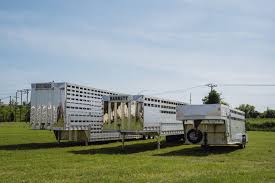
Aluminum Livestock Trailers are known for their lightweight nature, which directly contributes to fuel efficiency and ease of towing. These trailers often undergo rigorous Aluminum Livestock Trailers testing to ensure they meet industry standards such as ASME Compliance, which is critical for safety and performance. Aluminum offers excellent resistance to rust and corrosion, making it an ideal choice for environments where moisture and harsh weather are frequent concerns.
Moreover, aluminum trailers benefit from advanced manufacturing techniques, such as the use of CAD Software in design processes. This technology helps in optimizing the trailer’s structure for enhanced strength and durability without adding unnecessary weight. Additionally, the use of specialty coating applications can further enhance the lifespan of aluminum trailers by providing an extra layer of protection against environmental factors.
However, the primary drawback of aluminum is its susceptibility to dents and scratches compared to steel. While aluminum trailers are generally resilient, they may require more frequent inspections and minor repairs, which can be effectively managed through Gantt Chart Scheduling to minimize downtime.
Steel Livestock Trailers: Strength and Longevity Explained
Steel livestock trailers have long been favored for their robustness and high load-bearing capacity. The intrinsic strength of steel makes it a preferred choice for transporting heavy loads, where structural integrity is non-negotiable. Steel trailers often incorporate advanced technologies such as Torque Wrench Calibration during assembly to ensure that every fastener meets precise torque specifications, enhancing the trailer’s overall durability.
One significant advantage of steel trailers is their ability to withstand substantial impact without significant deformation, making them ideal for rugged terrains and challenging transport conditions. Furthermore, steel trailers often undergo NDT (Non-Destructive Testing) to verify their structural integrity, ensuring long-term reliability and safety.
Despite their strength, steel trailers are more prone to rust and corrosion over time. This issue can be mitigated by regular maintenance and the application of rust-preventive coatings. Additionally, the increased weight of steel trailers can lead to higher fuel consumption, which is a crucial consideration for operators concerned with operational efficiency and cost.
Comparative Analysis: Aluminum vs Steel in Livestock Trailers
When comparing aluminum and steel livestock trailers, it’s essential to consider the specific needs and constraints of your operations. Aluminum trailers offer significant advantages in terms of weight savings and corrosion resistance, which can translate into longer service life and lower maintenance costs. The lightweight nature of aluminum also means reduced wear on towing vehicles, ultimately extending their lifespan.
Conversely, steel trailers provide unparalleled strength and resilience, especially in heavy-duty applications. Their robustness is unmatched, making them the go-to choice for scenarios where load-bearing capacity and resistance to physical damage are paramount. However, this comes at the cost of increased weight and the need for regular anti-corrosion treatments.
Both materials have their place in the livestock trailer market. Operators should evaluate their specific requirements, such as the frequency of use, load types, and environmental conditions, to make an informed decision. The choice between aluminum and steel could be guided by factors like MEP Coordination, where the integration of mechanical, electrical, and plumbing systems may influence the trailer's design and material suitability.
Choosing the Right Material for Your Livestock Needs
Selecting the right material for your livestock trailer is a decision that should not be taken lightly. Considerations such as the type of livestock, travel distances, and specific environmental conditions play a critical role. For those prioritizing fuel efficiency and resistance to corrosion, aluminum trailers are an excellent choice. They integrate well with modern technologies and offer a balance of durability and cost-effectiveness.
On the other hand, if your operations demand maximum strength and the ability to handle heavy loads, steel trailers prove to be a reliable option. Their sturdiness and impact resistance are valuable in demanding conditions. Operators must also plan for regular maintenance, utilizing tools like Load-Bearing Wall Assessment and TPA (Third Party Assurance) to ensure optimal performance.
Conclusion
Choosing between aluminum and steel livestock trailers hinges on understanding the specific demands of your operations. Aluminum trailers excel in environments where corrosion resistance and lightweight design are crucial, while steel offers unmatched strength for heavy-duty applications. Both materials have their unique advantages, and the choice largely depends on your operational priorities. Carefully assess your needs, evaluate the potential impact on efficiency and costs, and select the trailer that aligns best with your strategic objectives in the construction and automotive sectors.