

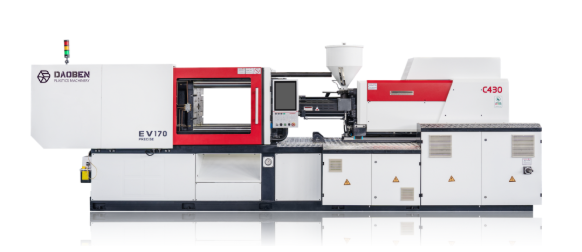
Every PET bottle starts life as a small, test-tube-shaped part called a preform. QYResearch estimates that the world produced about 725 billion PET preforms in 2024. Each one came off an injection molding machine.
A PET preform injection molding machine is built for that single job. It melts dried PET resin and injects it into multi-cavity molds, often at cycle times under 15 seconds. Small changes in screw design or cooling can swing output by thousands of preforms per hour.
The market is large and still growing. Fortune Business Insights values the global PET preform market at USD 51.65 billion in 2025. It expects the market to reach USD 78.74 billion by 2034, a 4.7% yearly growth rate. Asia Pacific holds the largest share at 45.76%.
This article covers how these machines differ from standard models, the specs that matter, common defects, and how to pick a supplier.
Quick Answer: A PET preform injection molding machine is a dedicated machine for molding bottle preforms from dried PET resin. It uses a barrier screw for low acetaldehyde, a high-speed injection unit, hot-runner multi-cavity molds, and post-mold cooling. Typical setups run 16 to 72 cavities at 10–13 second cycles, producing thousands of preforms per hour.
What Makes a PET Preform Injection Molding Machine Different
A PET preform injection molding machine differs from a general machine in its screw, plasticizing rate, and cooling setup. PET is sensitive to moisture and heat, and it needs fast, gentle melting. So a standard screw and barrel often cause haze, high acetaldehyde, or slow cycles.
Barrier Screw and High Plasticizing Rate
PET machines use a barrier screw that separates solid pellets from melt. This gives even melting at lower shear, which keeps acetaldehyde (AA) low. AA affects the taste of bottled water, so brand owners set strict limits on it.
Drying Before Molding
PET absorbs moisture from the air, and wet resin breaks down in the hot barrel. Most processors dry PET to below 50 ppm moisture. They typically use a desiccant dryer at around 160–175 °C for four to six hours.
Post-Mold Cooling
Preforms leave the mold still hot inside. A post-mold cooling robot holds them in cooled tubes after ejection. This lets the mold open sooner, so the cycle gets shorter without causing crystal haze.
Key Specs for a PET Preform Injection Molding Machine

The key specs are cavitation, shot weight, plasticizing rate, and dry cycle time. Together, these set hourly output. Buyers should also check clamp force against the mold's projected area and confirm the neck finish the mold must produce for the filling line.
Cavitation and Output
Cavitation is the number of preforms made per shot. Small bottlers often start with 8 to 24 cavities. Large beverage plants run 48, 72, or even 96 cavities. Output rises fast with each step up, as the table below shows.
Neck Finish Standards
The neck finish must match the closure and the filling line. Common water and soft-drink finishes include PCO 1881 and PCO 1810, while juice and dairy often use 38 mm finishes. Lighter neck designs save resin on every single bottle.
Output by Cavitation
Cavities | Typical cycle time | Theoretical output (preforms/hour) | Typical user |
16 | 13 s | 4,430 | Small water and edible-oil bottlers |
32 | 12 s | 9,600 | Regional beverage plants |
48 | 11 s | 15,700 | Large water and soft-drink lines |
72 | 10 s | 25,900 | High-volume bottlers |
Output assumes 100% uptime. Real output usually runs at 85–95% of theoretical, depending on mold changes and maintenance.
Common PET Preform Defects and How to Prevent Them
Most preform defects trace back to drying, melt temperature, or cooling. A dedicated PET machine controls all three tightly. Even so, operators need to know the warning signs, because one bad batch can stop a customer's bottling line.
High Acetaldehyde
High AA comes from too much heat or shear in the barrel. Lower melt temperature, a correct barrier screw, and short residence time keep AA down. Hot-runner balance also matters, since uneven heat ages the melt in some drops.
White Haze from Crystallinity
White or cloudy areas mean the PET cooled too slowly and crystallized. Cold mold water, good cooling-channel design, and post-mold cooling prevent this. Thick preforms for large bottles need extra care.
Black Specks and Bubbles
Black specks often come from degraded resin trapped in the barrel or hot runner. Bubbles usually point to wet resin. Regular purging and dryer checks prevent both problems.
How to Choose a PET Preform Machine Supplier
Choose a supplier that can match the machine, mold, and dryer as one system, and that will run a trial with your own preform design. Mismatched equipment causes most early problems on new PET lines. So a single-source supplier lowers start-up risk and shortens commissioning.
Compare Energy Use per Kilogram
PET lines often run 24 hours a day, so energy cost adds up fast. A servo-driven PET machine can use 30–50% less power than a fixed-pump design. Over a year of nonstop running, that gap becomes very large.
Check Service and Spare Parts
A PET line that stops for one day can lose hundreds of thousands of preforms. Therefore, check spare-parts stock, remote support, and how fast engineers can reach your plant.
Why Choose Daoben Machinery
Daoben Machinery builds a dedicated PET series injection molding machine for high-speed preform production. The company makes machines from 30 to 4,000 tons in Ningbo, China. So bottlers can source preform machines and general machines for caps and handles from one factory.
Daoben's turnkey project service covers the full line. That includes auxiliary equipment such as dryers, chillers, and robots, plus layout planning for new plants. As a result, buyers avoid the mismatch problems that come from mixing suppliers.
Because Daoben sells factory-direct, buyers speak with the engineers who design the machine. This makes it easier to tune specs to a target preform weight, neck finish, and hourly output.
Better Preforms Start With the Right Machine
A PET preform line runs nonstop for years, so small gains add up quickly. Cutting one second from an 11-second cycle on a 48-cavity mold adds over 1,400 preforms per hour. Lower AA and fewer rejects also protect your customer's brand.
Start with your target output, preform weight, and neck finish. These three numbers set cavitation, shot size, and clamp force. Then test the full system with your own resin before you sign an order.
To get a machine and line proposal, send your preform drawing and yearly volume to [email protected]. The Daoben team will recommend a PET series model sized for your output.
Frequently Asked Questions
How many preforms does a PET preform injection molding machine make per hour?
Output depends on cavitation and cycle time. A 16-cavity PET preform injection molding machine at 13 seconds makes about 4,430 preforms per hour, while a 72-cavity system at 10 seconds makes about 25,900. Real output usually reaches 85–95% of these figures after mold changes and maintenance.
Can a standard injection molding machine make PET preforms?
A standard machine can mold PET in small runs, but results often suffer. General screws create more shear and heat, which raises acetaldehyde and causes haze. A dedicated PET preform injection molding machine uses a barrier screw, higher plasticizing rate, and post-mold cooling for steady quality at high speed.
Why must PET resin be dried before molding?
PET absorbs moisture, and water breaks down the polymer chains in the hot barrel. This weakens the material and causes bubbles and brittle preforms. Before it enters a PET preform injection molding machine, resin is usually dried below 50 ppm moisture in a desiccant dryer for four to six hours.
Keep reading
More posts from our blog
.png) How MR Reporting Software Simplifies Daily Medical Representative Activities
By AmirUIT
October 26, 2026
IntroductionA medical representative's day often starts early and ends later than expected. They travel between clinics, meet doctors, explain...
Read more
 From Swag's First CoD MW4 Nuke: Settings, Bot Lobbies, and a Reference Point Worth a First Look
By AmirUIT
October 26, 2026
“Ladies and gentlemen, this is my first ever nuke in Modern Warfare 4 multiplayer. I drop back to back.”If you’ve seen that Swag stream clip,...
Read more
What Happens When an Employer Refuses to Pay Wages You Have Earned?
By AmirUIT
October 26, 2026
Getting paid the appropriate amount of money, and on time, is one of the most fundamental privileges that go with having a job. Employees are aware...
Read more
Keep reading
More posts from our blog