

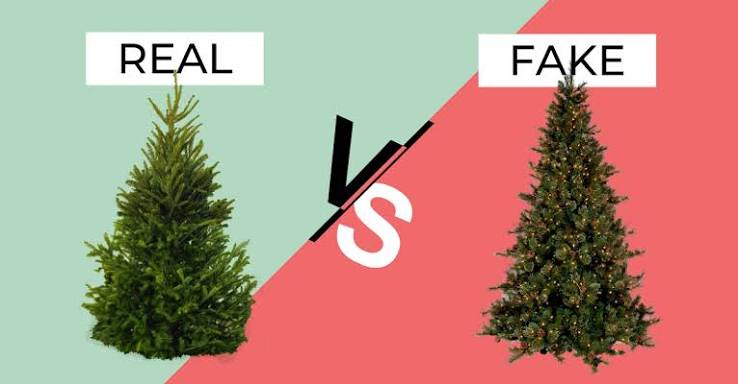
When it comes to enhancing property value through landscaping, the decision between Outdoor Artificial Trees and real trees can be complex. Both options offer unique benefits, but the right choice depends on various factors, including maintenance, aesthetics, and long-term value. This article will explore these aspects in detail, helping you make an informed decision about which type of tree is best suited for your property and aligns with agency goals.
Outdoor Artificial Trees: A Modern Landscaping Solution

Outdoor Artificial Trees have become increasingly popular for their low maintenance and versatility. These trees require no watering, trimming, or pest control, making them an attractive option for property owners looking to reduce ongoing landscaping costs. The use of space planning software in the placement of artificial trees allows for strategic positioning, optimizing the visual appeal and function of outdoor spaces.
Moreover, artificial trees can be customized in size, shape, and color to match specific design needs. This flexibility makes them ideal for mood board creation, where designers can experiment with different looks without the constraints of natural growth patterns. A study by the American Society of Landscape Architects found that well-designed landscapes can increase property value by up to 20% (Source: ASLA, 2021).
For those interested in a hassle-free landscaping solution, artificial trees offer a reliable option. Explore the range of Outdoor Artificial Trees to see how they can enhance your property's aesthetic appeal.
Real Trees: Nature’s Timeless Appeal
Real trees have long been a staple in landscaping due to their natural beauty and environmental benefits. They provide shade, improve air quality, and support local ecosystems. Real trees are often a part of artisan collaboration projects, where local flora is used to create a harmonious landscape that blends seamlessly with the natural surroundings.
The appeal of real trees extends to their ability to change with the seasons, offering a dynamic landscape that evolves over time. This can be a significant selling point for potential buyers who value a connection to nature. Real trees also contribute to a property’s authenticity, a key factor in home staging certification processes.
However, real trees require regular maintenance, including watering, pruning, and pest management, which can be costly and time-consuming. Despite these challenges, many property owners find the long-term benefits of real trees to be worth the investment.
Impact on Property Value: Artificial vs Real
The impact of trees on property value varies depending on location, buyer preferences, and landscape design. According to a survey by the National Association of Realtors, 84% of home buyers consider landscaping as one of the top three factors in their purchase decision (Source: NAR, 2022). This statistic highlights the importance of thoughtful tree selection in property valuation.
Artificial trees are particularly advantageous in urban environments where space is limited, and maintenance is challenging. They can be integrated into a visual merchandising strategy to create an inviting, modern outdoor space that appeals to potential buyers. In contrast, real trees often enhance the perceived value of rural and suburban properties, where natural landscapes are more desirable.
Ultimately, the choice between artificial and real trees should align with the overall product curation process of the property, ensuring that the landscaping complements the home’s style and target market.
Environmental Considerations in Tree Selection
Environmental impact is a crucial factor in the decision-making process for tree selection. Real trees contribute to biodiversity and help mitigate climate change by absorbing carbon dioxide. However, the procurement cycle for real trees involves significant resource usage, including water and fertilizers.
On the other hand, Outdoor Artificial Trees have a different environmental footprint. While they do not offer the same ecological benefits as real trees, they do reduce the need for water and chemical treatments. E-commerce optimization in the sourcing of artificial trees can also minimize their carbon footprint by streamlining the supply chain.
Both options have their pros and cons, but environmental considerations should play a role in shaping landscape design decisions.
Conclusion
Choosing between Outdoor Artificial Trees and real trees involves weighing various factors, including maintenance, aesthetic preferences, and environmental impact. Each option offers distinct advantages that can enhance property value in different ways. Agencies involved in home decor and shopping should consider their clients' specific needs and market trends when advising on landscaping choices. By doing so, they can ensure that the chosen solution aligns with the property's overall design and value objectives.
.png)
.png)