

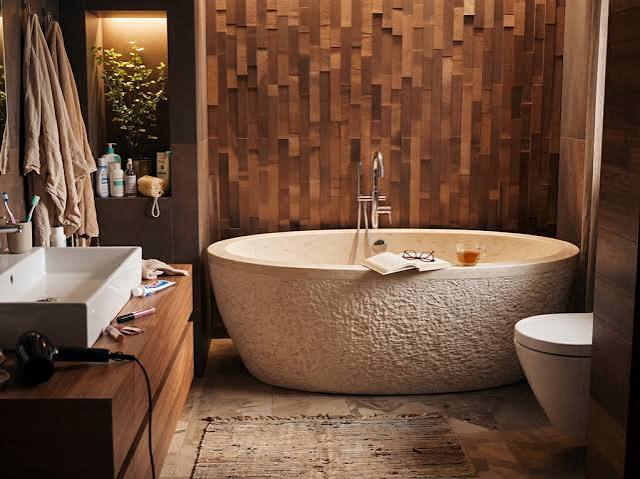
Bathroom design has evolved beyond selecting attractive tiles and modern fixtures. Today, homeowners are paying greater attention to materials that influence comfort, functionality, and the overall bathing experience. Natural marble and artificial stone bathtubs are two popular options for creating sophisticated bathrooms, but they offer different qualities that deserve consideration.
While both materials can create an elegant appearance, their differences become more noticeable when examining heat retention, customization, surface texture, environmental considerations, and long-term usability. Understanding these factors can help homeowners select a bathtub that complements their lifestyle and interior preferences.
Heat Retention and Bathing Comfort
One important consideration when selecting a bathtub is how its material interacts with water temperature.
Natural marble has substantial thermal mass, allowing it to absorb and store heat. However, a cold marble surface may initially draw warmth from bathwater until the stone reaches a comfortable temperature. Once warmed, its mass can contribute to a stable bathing environment.
Artificial stone bathtubs have different thermal properties depending on their mineral composition and resin content. Some engineered materials are designed to provide comfortable surface temperatures and reduce the initial cold sensation associated with natural stone.
The actual bathing experience also depends on wall thickness, bathroom temperature, insulation, and water volume. Therefore, homeowners should compare individual bathtub specifications rather than assuming one material always retains heat better.
Customization and Creative Design Possibilities
Customization plays an important role in luxury bathroom planning. Homeowners increasingly want fixtures that reflect their personal style rather than relying entirely on standard designs.
A natural marble bathtub can be crafted into distinctive shapes, including oval, rectangular, and sculptural forms. Skilled stone artisans can work with the material's natural characteristics to create individual pieces that emphasize its unique veining and appearance.
Artificial stone provides a different type of flexibility. Because engineered materials can be molded during manufacturing, designers can develop consistent shapes, integrated edges, and contemporary profiles.
Both options support creative bathroom designs, although the available customization possibilities depend on the manufacturer, production process, and project requirements.
Surface Texture and Sensory Experience
The texture of a bathtub influences how it feels during everyday use. Natural marble offers a distinctive tactile quality that comes from its mineral composition and finishing process.
Polished marble provides a smooth, reflective surface, while honed marble creates a softer, matte appearance. These finishing choices can significantly influence the bathroom's atmosphere.
Artificial stone surfaces can also be manufactured with polished, satin, or matte finishes. Their engineered composition allows manufacturers to achieve consistent textures across the entire bathtub.
For homeowners who appreciate natural materials, the subtle variations of marble may create a more authentic experience. Those seeking uniformity may prefer the predictable finish of artificial stone.
Environmental Considerations and Material Sourcing
Environmental responsibility is becoming increasingly relevant in home renovation decisions. Both natural marble and artificial stone have environmental impacts associated with their production.
Natural marble requires quarrying, transportation, cutting, and polishing. These processes consume resources and energy, particularly when large stone blocks must travel considerable distances.
However, marble is a natural material that can remain functional for decades when properly maintained. Its longevity may reduce the need for frequent replacement.
Artificial stone production involves mineral processing and manufacturing resins, which can introduce additional environmental considerations. Some manufacturers incorporate recycled materials or adopt processes intended to reduce waste.
Homeowners interested in sustainability should examine material origins, manufacturing practices, transportation distances, and expected product lifespan before making a decision.
Bathroom Acoustics and Atmosphere
The materials used throughout a bathroom can influence its acoustic environment. Hard surfaces, including natural marble, reflect sound and may contribute to echoes in spacious bathrooms.
Artificial stone also has a relatively hard surface, although different compositions and structural designs may influence vibration and sound transmission.
The overall acoustic experience depends more heavily on the bathroom's layout, wall finishes, flooring, and furnishings than on the bathtub material alone.
Soft towels, curtains, upholstered seating, and other decorative elements can help create a quieter and more relaxing environment.
Repair Options and Surface Restoration
Another consideration is how easily a bathtub can be restored after accidental damage.
Natural marble can sometimes be professionally polished to address minor surface scratches or dull areas. Depending on the severity of damage, stone restoration specialists may also repair small chips and restore sections of the finish.
Artificial stone repair methods vary by material. Certain solid surface products allow scratches to be sanded or polished, while other engineered finishes require specialized repair techniques.
Before purchasing, homeowners should ask about repair services, warranty coverage, and the availability of replacement components.
Creating a Cohesive Bathroom Interior
A bathtub should complement the surrounding bathroom rather than appear disconnected from the overall design.
Natural marble works particularly well with warm lighting, natural wood cabinetry, metallic fixtures, and complementary stone surfaces. Its organic patterns can become a visual focal point without requiring excessive decoration.
Artificial stone is suitable for minimalist bathrooms featuring neutral colors, geometric layouts, and streamlined fixtures. Its consistent appearance can create visual harmony across multiple bathroom elements.
Lighting also matters. Soft illumination can highlight natural marble veining, while carefully positioned lighting can emphasize the clean contours of engineered stone.
Conclusion
Choosing between natural marble and artificial stone involves more than comparing their appearance. Heat behavior, customization opportunities, surface finishes, environmental considerations, and restoration possibilities all influence the final decision.
A natural marble bathtub appeals to homeowners seeking distinctive craftsmanship, organic textures, and a luxurious bathing environment. Artificial stone offers versatile manufacturing possibilities and consistent contemporary styling.
By considering how each material performs within a specific bathroom, homeowners can make an informed choice that supports both everyday comfort and lasting interior appeal.
.jpg)