

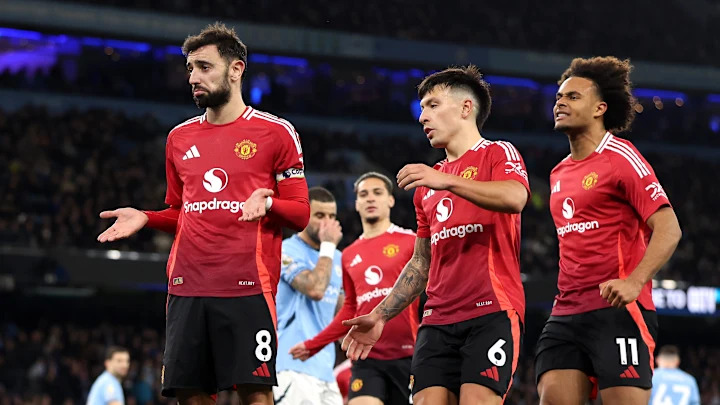
Few clubs in world football are as closely associated with drama as Manchester United. From thrilling late goals to unforgettable comebacks, United’s matches often carry an emotional weight. But alongside these triumphs lies another defining element of their history: controversial refereeing decisions.
Whether it’s a red card in a Champions League clash, a penalty given in a crucial title-deciding match, or a VAR ruling that splits opinions worldwide, dramatic decisions Manchester United matches have repeatedly left their mark on football culture.
This article explores why refereeing controversies matter, revisits historic clashes defined by questionable calls, examines how technology has shaped the debate, and reflects on their impact on United’s identity.
The Nature of Controversial Decisions in Football
Football is more than just goals—it is shaped by moments of judgment. Referees are tasked with interpreting rules in split seconds, and those judgments can dramatically alter results.
Human Error: Referees, even at the highest level, are prone to mistakes. A wrongly given penalty or an offside call can change the destiny of a team.
Interpretation of Rules: Some laws, like “intent” in handballs or “excessive force” in tackles, leave room for debate.
Cultural and Historical Context: Clubs with massive fanbases, like Manchester United, see their controversies amplified by global scrutiny.
While all clubs have experienced refereeing drama, United’s global profile ensures that every decision—right or wrong—makes headlines across the footballing world.
Historic Matches Marked by Refereeing Drama
Throughout history, several United games have become synonymous with controversial decisions:
1963 FA Cup Final vs Leicester City
A foul on Denis Law that many felt should have resulted in harsher punishment was overlooked. United still won 3–1, but debates about refereeing fairness lingered.
1999 Champions League Semi-Final vs Juventus
Roy Keane’s yellow card for a late challenge meant he missed the final. Though the decision was technically correct, many argued referees should consider the magnitude of the game.
2010 Premier League vs Chelsea
Didier Drogba scored from a clearly offside position at Old Trafford. The goal helped Chelsea win the title race by a single point, a decision United fans still cite as season-defining.
2013 Champions League vs Real Madrid
Nani’s infamous red card for a high boot remains one of the most debated refereeing decisions in modern football. United were leading the tie before his dismissal; afterwards, Madrid advanced.
These examples show how dramatic decisions Manchester United are woven into the tapestry of both triumph and heartbreak.
The Most Controversial Red Card Moments
Few moments ignite debate like a red card. For United, some stand out as pivotal:
Roy Keane vs Manchester City (2001): His brutal challenge on Alf-Inge Håland earned a straight red. While justified, Keane’s later admission of intent added layers of controversy.
Wayne Rooney vs Fulham (2005): Rooney was dismissed for sarcastically clapping at the referee—a decision some viewed as pedantic, others as correct discipline.
Nani vs Real Madrid (2013): This red card is arguably the most infamous in United history. Critics argued Nani was simply controlling the ball, while supporters of the decision claimed it was dangerous play.
Each of these moments demonstrates the cause-and-effect nature of red cards. A single referee’s interpretation can swing momentum, alter results, and reshape reputations.
VAR and Modern Controversies
The introduction of the Video Assistant Referee (VAR) was meant to reduce drama. Instead, it has introduced new layers of debate. For Manchester United, VAR has been at the center of many modern controversies:
2020 vs Chelsea (FA Cup Semi-final): A penalty decision involving Brandon Williams drew fierce debate despite multiple VAR reviews.
2021 vs PSG (Champions League): Marcus Rashford’s decisive penalty, given for a handball after VAR intervention, split opinions across Europe.
Even with slow-motion replays, controversy persists. Fans argue that technology highlights subjectivity rather than eliminating it.
Modern fans often follow and debate these decisions on global platforms such as ทางเข้า ufabet168 auto, where analysis, discussions, and live reactions make refereeing drama part of the entertainment experience.
How Refereeing Drama Shapes Rivalries
Refereeing decisions don’t happen in isolation—they fuel rivalries.
United vs Liverpool: Every penalty call or offside decision is magnified, with fans claiming bias on either side.
United vs Arsenal (late 1990s–2000s): Patrick Vieira’s red cards, Ruud van Nistelrooy’s missed penalty, and countless fouls became defining elements of this fiery rivalry.
United vs Manchester City: In recent years, VAR and offside decisions have added fuel to the Manchester Derby, intensifying the stakes.
These controversies create narratives that stretch beyond the pitch, solidifying rivalries as cultural phenomena.
Fan Reactions and Media Narratives
No discussion of controversial decisions is complete without considering the role of fans and media.
Fan Culture: Supporters see refereeing drama as part of their identity—complaining about unfairness or celebrating perceived luck.
Media Amplification: A single decision can dominate headlines for days. Newspapers, TV pundits, and online platforms magnify the emotional intensity.
Global Platforms: Fans now debate live on social media, ensuring no controversial call goes unnoticed.
Many United fans extend their passion beyond the stadium, engaging in communities that combine football culture and entertainment. Platforms like ufabet provide spaces for fans to follow matches, share opinions, and relive dramatic moments.
Long-Term Impact on Manchester United’s Legacy
Controversial decisions are not just short-term dramas—they influence how Manchester United is perceived globally.
As Victims: Decisions like Nani’s red card in 2013 reinforce narratives of injustice and heartbreak.
As Beneficiaries: Critics point to “Fergie Time” penalties or refereeing leniency as examples of favoritism.
As a Global Storyline: United’s global reach ensures these controversies are remembered worldwide, shaping both criticism and admiration.
Ultimately, dramatic decisions are part of why United is seen as one of football’s most compelling clubs—always in the spotlight, always the subject of debate.
The Future of Refereeing in Football
Looking ahead, refereeing will continue to evolve. FIFA and UEFA are exploring semi-automated offside systems, better VAR communication, and stricter accountability for referees.
For Manchester United, this means fewer ambiguous moments but perhaps more scrutiny as technology reveals every detail. Yet, drama will never disappear—it will simply take new forms.
The future of dramatic decisions Manchester United lies in how well the club adapts, and how fans embrace technology’s role in the sport. Just as supporters analyze football through replays and data, they can also explore the game through entertainment communities, much like they do with online platforms beyond the pitch.
Conclusion
From the 1963 FA Cup Final to modern VAR controversies, Manchester United’s story is deeply intertwined with refereeing drama. These moments have shaped rivalries, tested players’ discipline, and left indelible marks on the club’s identity.
Whether seen as injustice or fortune, controversial decisions ensure that United’s matches remain unforgettable. They remind us that football is not just about goals and tactics—it is about human judgment, emotion, and the stories that live on for generations.
.png)