

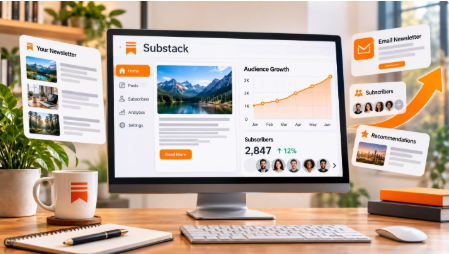
Substack has made it easier for writers, independent journalists, industry experts, and businesses to publish newsletters and connect directly with readers. However, creating a publication is only the first step. Building an audience that consistently opens emails, reads posts, and engages with content requires a clear strategy.
Whether you are launching a new newsletter or trying to grow an existing publication, subscriber growth depends on more than simply publishing frequently. You need a recognizable topic, useful content, consistent promotion, and a reason for readers to return. The following strategies can help you attract relevant subscribers and develop a stronger presence on Substack.
1. Choose a Clear Topic and Target Audience
Before promoting a newsletter, define what it offers and who should read it. A publication that covers too many unrelated subjects can make it difficult for potential subscribers to understand its purpose.
Start by identifying a specific audience and the problems, interests, or questions that matter to them. For example, a technology newsletter might focus on practical AI applications for small businesses rather than covering every technology trend. A personal finance publication could concentrate on budgeting for freelancers instead of discussing all areas of finance.
A clear topic helps readers recognize the value of subscribing. It also makes content planning easier because each article can contribute to a consistent editorial direction.
2. Publish Valuable Content Consistently
Content quality is one of the strongest foundations of sustainable newsletter growth. Readers are more likely to subscribe when they find information that is useful, interesting, or difficult to find elsewhere.
Develop a realistic publishing schedule, such as one detailed newsletter each week or two shorter updates every month. Consistency helps establish expectations, but it should never come at the expense of quality.
Consider using different content formats to keep the publication engaging:
Practical guides that solve specific problems
Industry analysis and informed commentary
Personal experiences and lessons learned
Interviews with knowledgeable professionals
Curated resources with useful explanations
Each post should offer a clear takeaway. Instead of publishing general observations, provide examples, actionable recommendations, or original perspectives that readers can apply.
3. Make Your Publication Easy to Understand
Your publication homepage is often the first place potential subscribers visit. It should communicate the newsletter's purpose immediately.
Choose a descriptive publication name, write a concise subtitle, and create an About page explaining what readers can expect. A visitor should be able to understand the subject, intended audience, and publishing frequency without searching through several posts.
Your welcome message also matters. Thank new subscribers, explain what type of content they will receive, and set realistic expectations. If you offer free and paid subscriptions, make the difference between the two options clear.
A straightforward subscription experience reduces uncertainty and helps interested visitors make a decision.
4. Use Substack Recommendations and Notes
Substack includes discovery features that can help publications reach readers beyond their existing audience.
Recommendations allow publication owners to recommend other newsletters that they genuinely find valuable. Building relationships with creators who serve related audiences can create opportunities for mutual discovery. Focus on publications with complementary topics rather than approaching every creator simply to request promotion.
Substack Notes can also support visibility. Use Notes to share useful observations, short insights, questions, and highlights from recently published articles. Instead of posting repeated subscription requests, contribute something interesting to conversations within your subject area.
These activities work best when they reflect genuine participation. Readers are more likely to explore a publication when they repeatedly encounter useful contributions from its creator.
5. Promote Your Newsletter Beyond Substack
A newsletter does not need to depend entirely on the platform where it is published. External channels can introduce your work to people who have not discovered Substack yet.
Share relevant articles through professional social media profiles, online communities, personal websites, and industry networks. When promoting a post, explain why it may interest a particular audience rather than sharing a link without context.
You can also create a dedicated newsletter signup page on your website. Visitors who already read your articles or use your services may be interested in receiving regular updates.
Search engine optimization can contribute to long-term discovery as well. Write descriptive headlines, organize articles around specific reader questions, and use relevant terms naturally. Link to your publication from appropriate pages on your own website. Avoid producing repetitive articles solely to target keywords.
6. Explore Additional Subscriber Growth Support
Organic promotion is valuable, but some creators also explore additional marketing support when they want to expand the visibility of an established publication. The important consideration is whether a growth method attracts people who are genuinely relevant to the newsletter.
Before choosing any external service, understand how it works and what type of subscribers or promotional activity it provides. A useful starting point is to review options such as How to Get Substack Subscribers and evaluate whether the available service matches your publication's audience-building goals.
Do not judge a growth campaign only by the number of subscribers displayed. Check whether the subscribers are genuine, whether the delivery method complies with platform rules, and whether the campaign produces meaningful engagement. Avoid fake accounts, automated signups, or misleading practices that inflate audience figures without creating real readership.
A smaller audience of interested readers can be more valuable than a large subscriber count that generates little engagement.
7. Turn New Subscribers into Regular Readers
Subscriber acquisition is only part of the process. Retaining readers is equally important because a newsletter becomes more sustainable when people continue opening and reading it.
Start with a helpful welcome email that introduces the publication and highlights a few important articles. Make it easy for readers to understand how to get value from future editions.
Pay attention to reader responses, comments, and questions. These interactions can reveal which subjects deserve deeper coverage. You can also invite subscribers to suggest future topics or participate in occasional polls.
For paid publications, demonstrate the value of premium content before asking readers to upgrade. Useful free articles can establish credibility and help potential paid subscribers understand what they would receive.
8. Measure Growth and Improve Your Strategy
Avoid making decisions based on subscriber totals alone. Review available publication analytics to understand where new subscribers come from and how your audience responds to different types of content.
Useful metrics include:
Subscriber growth: How many new subscribers join over a specific period?
Traffic sources: Which channels bring visitors and subscriptions?
Email engagement: Are readers opening and interacting with newsletters?
Free-to-paid conversion: Are free subscribers choosing premium content?
Unsubscribe trends: Which topics or publishing patterns may be contributing to cancellations?
Look for patterns rather than reacting to individual results. If practical tutorials consistently attract new readers, consider developing a related series. If a particular promotional channel brings visitors but few subscriptions, review the audience fit and the message being used.
Conclusion
Growing a Substack publication requires a combination of valuable content, clear positioning, consistent publishing, and thoughtful promotion. Creators who understand their target audience and give readers a compelling reason to return are better positioned to build lasting relationships.
Use Substack's built-in discovery features, promote useful articles through relevant external channels, and evaluate growth methods carefully. Most importantly, focus on attracting readers who genuinely care about your subject. A relevant and engaged subscriber base provides a stronger foundation for a newsletter than numbers alone.

.png)