

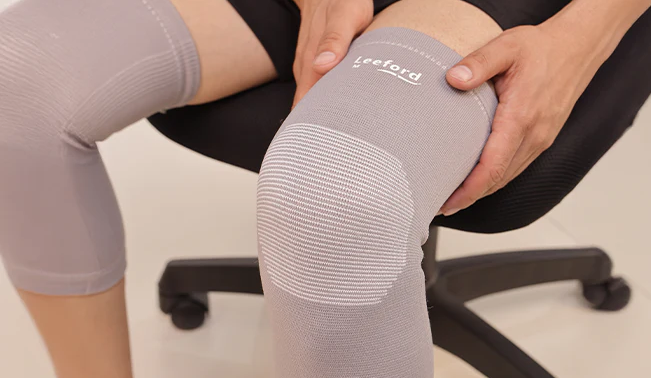
When you deal with joint pain or instability, a knee cap can feel like a lifesaver. It provides that extra bit of confidence to walk, run, or climb stairs. However, the most common question people ask is: how tight should a knee cap be? Finding the sweet spot between supportive and restrictive is an art form. In India, where we quite often walk on uneven surfaces or engage in various physical activities, getting the fit right is essential for long-term joint health.
If a sleeve is too loose, it serves no purpose. If it is too tight, it becomes a health hazard. This guide will walk you through everything you need to know about fitting your knee support like an expert.
The Golden Rule of Compression
A knee cap is designed to provide compression, which helps reduce swelling and improve your awareness of the joint. The general rule for a proper fit is that it should feel snug and firm but never painful. You should be able to slide two fingers under the top and bottom edges of the sleeve without struggling. If you cannot fit even one finger, it is likely too tight. Conversely, if you can fit your whole hand, it is definitely too loose.
When looking for expert advice on knee brace fit India, most professionals emphasize that the sleeve should feel like a second skin. It should move with you, not against you. It should stay in place during a short walk, but it should not leave deep, red indentations on your skin once you take it off.
Identifying the Red Flags
Many users ignore discomfort, thinking it is part of the healing process. You might wonder, is my knee brace too tight? There are several clear indicators that you need to loosen things up or size up.
Discoloration: If your foot or calf starts to look blue, purple, or even pale, your circulation is being restricted.
Swelling Below the Brace: If your ankle or foot starts to swell while wearing the sleeve, the brace is acting as a dam, stopping blood and fluids from returning to the heart.
Deep Skin Marks: While faint lines are normal, deep grooves that stay on your skin for hours are a sign of excessive pressure.
Temperature Changes: If your foot feels significantly colder than the rest of your body, the blood flow is compromised.
What Happens if a Knee Cap is Too Tight?
It is dangerous to assume that more pressure equals more support. So, what happens if a knee cap is too tight? The most immediate risk is the restriction of blood flow. This can lead to blood clots or deep vein thrombosis in extreme cases. Furthermore, excessive tightness can compress the nerves that run along the side of the knee.
When nerves are squashed, you start to experience neurological symptoms. If you are asking why is my knee brace causing numbness?, the answer is almost always related to nerve compression. This numbness can lead to a loss of coordination, making you more likely to trip or fall, which is exactly what you are trying to avoid by wearing a brace in the first place.
Is Tight Knee Brace Pain Normal?
A frequent concern among new users is whether tight knee brace pain is normal? The answer is a firm no. While you might feel a sensation of pressure or a bit of warmth, you should never feel sharp, throbbing, or stinging pain. Pain is your body’s way of saying that something is wrong.
If the pain is located right on the kneecap, the brace might be misaligned. If the pain is behind the knee, the fabric is likely bunching up and pinching the sensitive skin in the fold. If you feel pain, remove the sleeve immediately.
How to Tell if Knee Cap is Fitted Correctly?
If you are unsure, here is a quick checklist on how to tell if knee cap is fitted correctly:
The Patella Test: The kneecap should be centered perfectly in the designated area. It should not feel like it is being pushed into the bone.
The Walk Test: Walk around your room for two minutes. If the sleeve slides down to your calf, it is too big. If it starts to roll at the top, it might be too small or your thigh shape requires a different style.
The Two-Finger Rule: As mentioned, you should be able to slide two fingers under the cuffs comfortably.
The Skin Color Check: After ten minutes of wearing it, your foot should remain its normal color and temperature.
How to Adjust Knee Braces Properly?
In the Indian climate, heat and humidity can cause your legs to swell slightly during the day. Therefore, knowing how to adjust knee brace properly in India is key. If your brace has Velcro straps, always start by securing the strap closest to the knee first, then move to the outer straps. This ensures the center is stable.
If you find that your leg swells in the afternoon heat, you may need to loosen the straps slightly to accommodate the change in volume. Never pull the straps to their maximum tension; leave a little bit of give for your muscles to expand when you move.
Knee Sleeve Sizing Guide India
Before you buy, refer to a knee sleeve sizing guide India provided by reputable brands. Do not rely on your trouser size. Take a flexible measuring tape and use it to measure the following:
The circumference of your mid-thigh (about 5 inches above the kneecap).
The circumference of your mid-calf (about 5 inches below the kneecap).
If your measurements fall between two sizes, it is usually better to choose the larger size if you want all-day comfort, or the smaller size if you are only using it for intense, short-term exercise.
Conclusion
A knee cap is a tool, and like any tool, it totally requires proper handling. By ensuring your sleeve is snug but not suffocating, you can enjoy the benefits of compression without the risks of nerve damage or poor circulation. Just listen to your body, check your fit on a regular basis as well as never ignore numbness or pain. With the right fit, you will be back on your feet with confidence as well as comfort.

.png)
.png)