

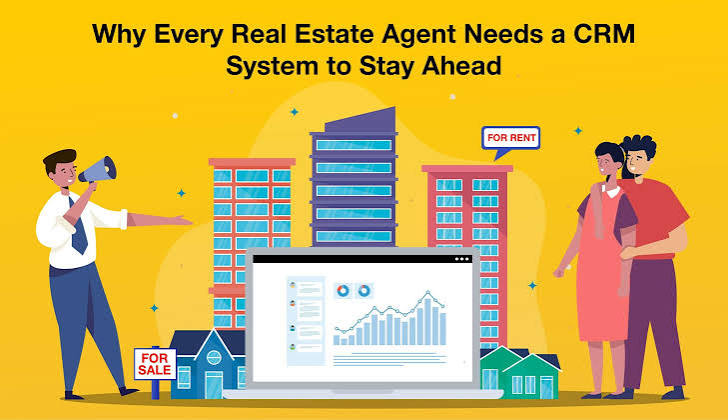
CRM systems help real estate businesses kinda convert more leads into clients, sure, because getting property enquiries is really only the start. After that there’s the fast replies, understanding what the buyer actually wants, arranging property viewings, and keeping the conversation going while they decide. Without some proper organisation, those “great leads” can just get missed, like, quietly.
A customer relationship management , or CRM system, lets real estate businesses structure these tasks and handle interested prospects in a more efficient way. If you pair it with a solid digital marketing strategy , it can improve **Real Estate Lead Generation** and help sales teams turn casual enquiries into real, meaningful chances.
Why lead management matters in real estate
Most property buyers don’t decide on day one. Some are comparing prices, some are waiting on loan approval, others are still trying to pin down the right area. So every prospect is a little different, and they may need several touchpoints before they take the next step.
If everything lives in random spreadsheets, phone logs, and message threads, follow-ups become a chore, and records get messy. But when there’s a clear lead management process, businesses can keep accurate details, rank prospects properly, and make sure interested buyers actually get help at the right time.
Bringing enquiries together from multiple channels
Real estate enquiries can show up from website forms, property portals, social media efforts, paid campaigns, and also straight phone calls. A CRM can pull these leads into one organised space, especially if there are integrations.
Instead of jumping between different tools, sales teams can see contact details, property interests, budget ranges, and where the enquiry came from. That one view also helps managers spot which marketing channels are really producing useful opportunities.
Speeding up response times
People often contact several property businesses at once. If your replies are late, buyers can lose patience fast, then pick another seller who answers sooner.
A CRM lets teams log new enquiries and route them to the correct sales representative. Automated alerts and response steps can speed things up, and then personal follow-ups still matter, because every buyer has slightly different needs and expectations.
Setting up follow-up activities
Communication stays important because property decisions often take time. CRM reminders can help reps plan calls, send property details, and follow up after viewings, without everything slipping through.
Also, businesses can sort prospects by where they are in the buying journey. Like, someone already ready to book a visit needs quicker attention, while someone still exploring locations might need ongoing, helpful information over a few days or weeks.
Spotting higher-intent prospects
Not every enquiry means the same thing. Some enquiries are basically “I want to buy,” while others are more like “I’m just collecting options for later.”
Sales teams can use interaction notes, stated requirements, and engagement history to rank leads. This way reps can focus on promising opportunities, without ignoring people who need a bit more nurturing before they’re ready.
Connecting CRM with digital marketing campaigns
A CRM gets even more useful when it’s tied into a business’s broader marketing work. Website forms, ads, and landing pages can push enquiries into the lead flow, depending on what integrations exist and what privacy rules apply.
A real estate digital marketing agency can help align tracking, landing-page results, search engine optimisation, and the lead management workflow. Then businesses can evaluate not only enquiry volume, but also which channels lead to qualified prospects and booked viewings.
For instance, if a campaign brings lots of enquiries but very few scheduled visits, the business can look at targeting choices, the property messaging, response timing, and the follow-up process, before spending more budget.
Measuring CRM performance
Real estate businesses should track key indicators like lead response time, the percentage of qualified leads, how many site visits get booked, follow-up completion, and the lead-to-sale conversion rate.
Checking these metrics regularly helps managers find bottlenecks and improve the sales process. And when source tracking is accurate, it becomes easier to decide where to invest marketing dollars for better-quality opportunities, not just more leads.
Conclusion
CRM systems help real estate businesses bring enquiries, communication, and sales activities into one organised routine. By improving follow-ups, prioritising the right prospects, and measuring results, businesses can make better use of the leads they already generate.
When CRM technology is combined with a focused marketing plan, Real Estate Lead Generation can become steadier, and the journey from first enquiry to final property decision feels more consistent, not chaotic.
.png)