

Artificial Intelligence (AI) is transforming the way tax professionals and accounting firms manage increasingly complex global compliance requirements. In particular, US tax services for CA firms are leveraging AI platforms to streamline cross-border filing workflows, reduce errors, and improve efficiency. With advanced automation and intelligent analytics, AI tax tools allow professionals to focus on strategy and advisory services rather than repetitive, time-consuming tasks.
As international trade, remote work, and multinational investments grow, cross-border tax reporting has become more intricate than ever. AI-powered tax platforms offer real-time data processing, predictive insights, and compliance tracking, making them an indispensable tool for modern accounting practices.
The Role of AI in Modern Tax Functions
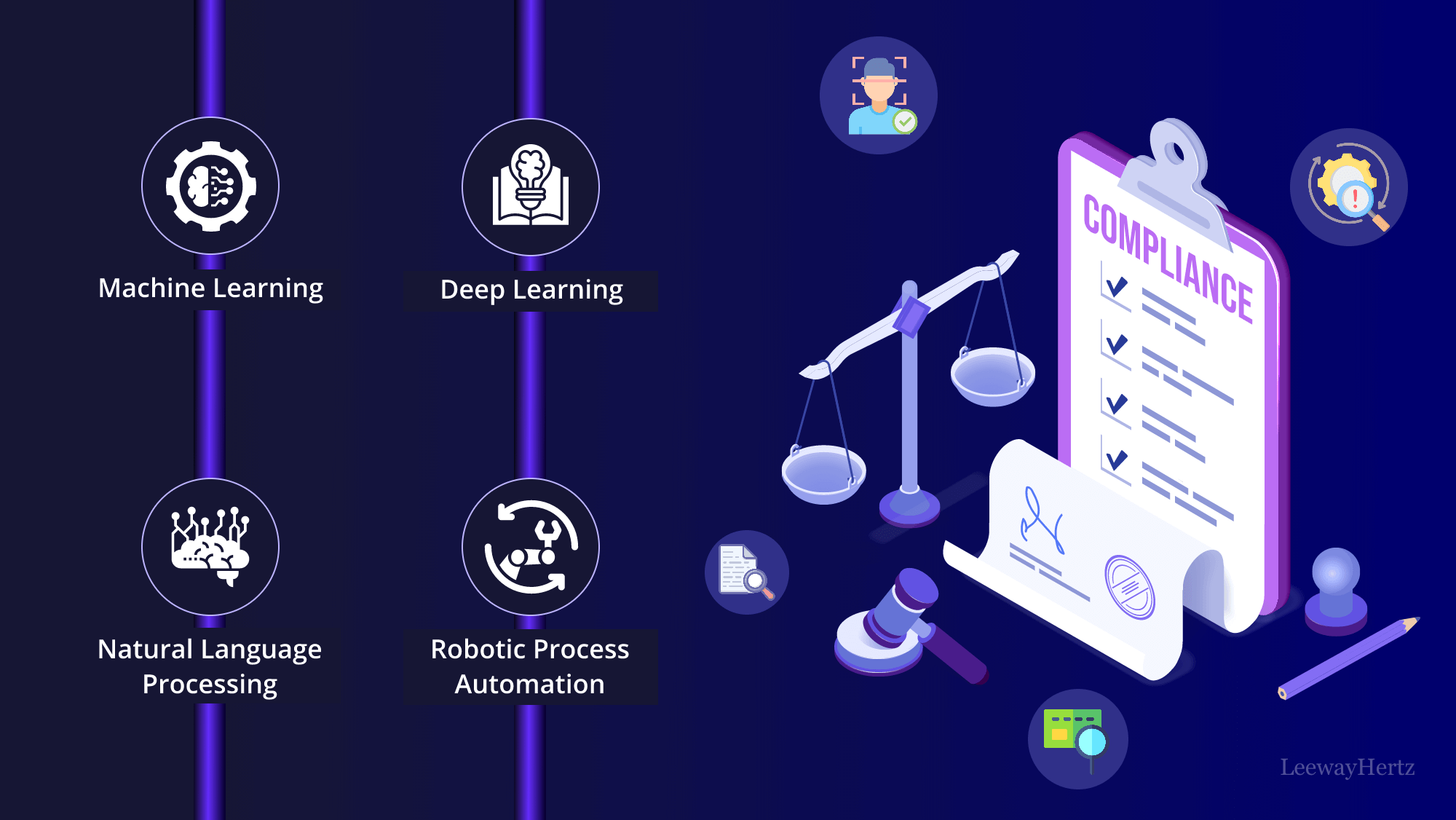
AI technologies, including machine learning, natural language processing, and predictive analytics, are revolutionizing traditional tax functions. Supported by advanced AI Development Services, these technologies automate routine operations and provide actionable insights, allowing tax professionals to:
Minimize human errors in complex calculations
Accelerate form preparation and submission
Monitor compliance in real-time
Generate scenario-based forecasts for strategic decisions
Instead of manually reconciling data from multiple sources, AI platforms can scan, validate, and integrate financial records automatically, ensuring faster and more reliable reporting. This is especially important for cross-border filings, where different jurisdictions have varying rules and deadlines.
Key Benefits of AI for Cross-Border Tax Compliance
AI platforms bring several advantages that are reshaping workflows for international tax operations:
Automated Regulatory Tracking: AI continuously monitors changes in tax laws across countries, ensuring professionals are up-to-date on evolving compliance requirements.
Smart Risk Management: Intelligent systems identify inconsistencies, flag potential audit triggers, and provide recommendations for corrective actions.
Enhanced Reporting Accuracy: Automated workflows reduce errors in tax calculations, forms, and documentation, which is critical when dealing with multiple jurisdictions.
Time and Cost Efficiency: By reducing manual intervention, AI enables teams to process filings faster and reallocate resources to higher-value advisory work.
Predictive Analysis: AI platforms can model different tax scenarios, helping firms anticipate liabilities and optimize structures for their clients.
How AI Optimizes Cross-Border Tax Workflows
Cross-border tax filing involves numerous complexities, such as multiple currencies, varying tax regulations, and reporting standards. AI helps streamline these workflows in the following ways:
Automated Data Collection
AI platforms can pull financial data from diverse accounting systems, invoices, and spreadsheets automatically. This ensures data is accurate and current without manual reconciliation.
Intelligent Document Review
Machine learning algorithms can analyze tax forms, identify inconsistencies, and ensure that all mandatory fields are correctly filled. This reduces errors in cross-border filings, which often carry heavy penalties for inaccuracies.
Compliance Monitoring
AI continuously scans filings against regulatory requirements in each jurisdiction, flagging discrepancies or deadlines at risk. This reduces the likelihood of missed filings and late penalties.
Scenario Modeling
Firms can simulate multiple tax strategies using AI, enabling better decision-making when planning for international transactions, entity structuring, and transfer pricing adjustments.
AI-Driven Insights for Strategic Tax Planning
Beyond compliance, AI platforms empower professionals to act strategically:
Transfer Pricing Optimization: AI helps analyze intercompany transactions and aligns transfer pricing policies with global regulations.
Entity Structure Recommendations: AI can suggest the most tax-efficient organizational structure for multi-jurisdictional operations.
Currency and Exchange Analysis: Automated models track currency fluctuations to predict tax impact across countries.
Global Reporting Integration: AI consolidates financial reports from multiple jurisdictions, ensuring consistency and accuracy.
By combining automation with real-time analysis, AI enables tax teams to focus on advisory work, rather than spending hours on repetitive tasks.
Key Features to Look for in AI Tax Platforms
When evaluating AI solutions for cross-border tax workflows, firms should consider:
Integration Capability: The platform should connect seamlessly with existing accounting software.
Regulatory Updates: Real-time tax law tracking and alerts.
Automated Workflows: From data entry to filing submissions.
Audit Support: Digital trails that simplify compliance checks and audits.
Predictive Analytics: Tools for scenario planning and risk assessment.
User-Friendly Interface: Accessible dashboards for team collaboration and reporting.
Choosing a platform with these features ensures the firm maximizes productivity while minimizing errors and compliance risk.
Midway Impact on Accounting Firms
Across the industry, US tax services for CA firms are experiencing measurable benefits from AI adoption:
Faster Processing Times: Cross-border filings that previously took weeks can now be completed in days.
Improved Accuracy: Automated checks significantly reduce errors in multi-jurisdictional reports.
Enhanced Advisory Services: Professionals spend less time on repetitive filings and more time providing client insights.
Scalable Operations: AI platforms allow firms to handle increased workload without additional hiring.
These advantages demonstrate how AI is not merely a tool but a strategic enabler for modern tax services.
Data Security and Compliance Considerations
Implementing AI in tax operations requires robust data protection:
Encryption: Sensitive client data should be encrypted both in transit and at rest.
Access Control: Restrict system access to authorized personnel only.
Regulatory Compliance: Platforms must adhere to local and international data privacy regulations.
Audit Trails: Maintain comprehensive records of all AI-driven actions to ensure accountability.
These measures ensure that AI adoption strengthens compliance without compromising confidentiality.
Preparing Teams for AI Adoption
Successful AI integration requires more than technology; it requires people:
Training: Professionals should be trained on platform use, data interpretation, and AI-assisted decision-making.
Change Management: Firms should gradually incorporate AI into workflows, starting with non-critical processes.
Collaboration: Encourage teams to leverage AI insights collaboratively for more strategic outcomes.
By focusing on human-AI collaboration, firms can achieve both operational efficiency and higher client satisfaction.
Looking Ahead: The Future of AI in Cross-Border Tax Filing
The adoption of AI is accelerating a shift from reactive tax operations to proactive planning:
Predictive Compliance: AI will anticipate filing risks before they arise.
Global Standardization: Cross-border reporting will become more consistent and transparent.
Strategic Advisory Growth: Professionals will increasingly focus on high-value insights and cross-jurisdictional optimization.
Smarter Workflow Automation: Routine filings, audits, and reconciliations will be largely automated, freeing resources for innovation.
Firms that adopt AI platforms early will enjoy a competitive edge in efficiency, accuracy, and advisory capabilities.
Conclusion: Embracing AI for Smarter Cross-Border Tax Workflows
AI tax platforms are transforming cross-border filing workflows, enabling firms to process complex international tax reports faster, more accurately, and with greater insight. US tax services for CA firms benefit from AI’s ability to automate routine tasks, monitor compliance, and provide actionable data for strategic planning. By integrating these technologies, firms can reduce errors, improve client service, and focus on advisory and high-value tasks.
For professionals exploring AI-driven solutions, Flowtax offers an advanced platform designed to simplify cross-border filings, support real-time compliance, and enhance reporting efficiency. With automated workflows, predictive analytics, and secure data management, Flowtax helps firms deliver reliable, scalable, and strategic US tax services for CA firms without compromising accuracy or compliance standards.