

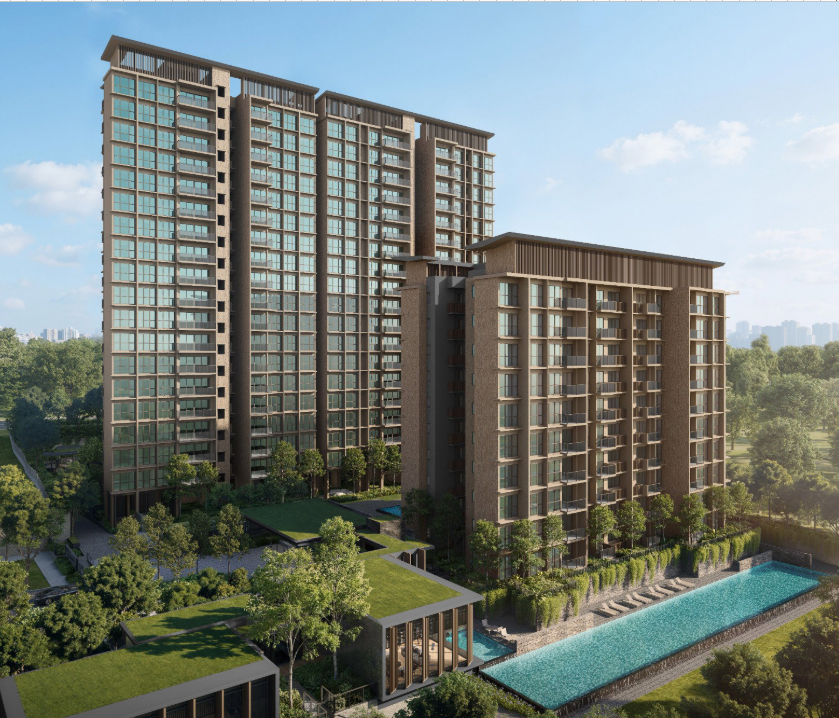
Selling a private residential property in Singapore requires a clear understanding of transaction costs, particularly the Seller's Stamp Duty (SSD). Whether you own a premium unit at Lucerne Grand or another private development, selling too quickly can severely impact your net proceeds. The government implements these holding period rules to curb short-term property speculation and maintain market stability. Homeowners must calculate these holding periods precisely from the date of acquisition to avoid unexpected tax liabilities. This guide breaks down the essential facts about SSD, holding periods, and how these regulations affect your financial returns when liquidating your condominium asset.
Understanding Seller's Stamp Duty (SSD) Rates
The Seller's Stamp Duty is a holding tax levied on residential properties purchased on or after 14 January 2011 and sold within a specific timeframe. Currently, the holding period that triggers SSD is three years. If you sell your property within the first year of acquisition, you face a steep 12% tax on the actual sale price or market value, whichever is higher. Selling in the second year reduces this rate to 8%, while selling in the third year drops the tax liability to 4%. Once you pass the three-year mark, the SSD rate becomes 0%.
These percentages represent significant financial sums. For instance, if you sell a luxury apartment at Dunearn House for $2 million within twelve months of buying it, your SSD liability amounts to a staggering $240,000. Waiting just one more year reduces that tax to $160,000, and waiting until after the third year saves you the entire amount. Understanding these tiered rates helps sellers make informed decisions about timing their exit from the property market. Buyers must factor these potential costs into their investment strategies before signing the Option to Purchase (OTP), ensuring they do not lock themselves into an unprofitable short-term commitment.
How the Holding Period is Calculated
Once you understand the rates, the next step is determining your exact timeline. Many property owners mistakenly believe that the holding period begins on the day they move in or when the project receives its Temporary Occupation Permit (TOP). In reality, the Inland Revenue Authority of Singapore (IRAS) calculates the holding period based on the legal dates of acquisition and disposal.
Key Date Milestones
The date of acquisition is typically the date you exercise the Option to Purchase (OTP) or the date of the Sale and Purchase Agreement, whichever is earlier. Similarly, the date of disposal is the date your buyer exercises the OTP or signs the Sale and Purchase Agreement. For collective sales, also known as en-bloc sales, the disposal date is the date of the collective sale agreement.
If you purchased a unit at Lucerne Grand on 15 May 2021 by exercising the OTP, your three-year holding period officially ended on 14 May 2024. Selling the unit on or after 15 May 2024 exempts you from paying any SSD. Even a single day's discrepancy can cost you tens of thousands of dollars. Therefore, you must examine your legal documents carefully and consult with a qualified conveyancing lawyer to verify the exact calendar dates before listing your property for sale.
Exemptions and Special Cases
While the SSD rules are strict, the government does provide exemptions for specific, unavoidable circumstances. For example, if a property owner faces bankruptcy and the Official Assignee must dispose of the residential property, SSD does not apply. Similarly, if a property is transferred during matrimonial proceedings, such as a divorce, or if the property is inherited under a will or the Intestate Succession Act, these transfers are generally exempt from SSD.
Asset Restructuring Scenarios
Another common scenario involves property transfers within families. If you decide to transfer your share of a property at Dunearn House to a family member, this transaction counts as a disposal and may trigger SSD if the transfer occurs within the three-year holding window.
Additionally, if a property is acquired by the government under the Land Acquisition Act, the compulsory acquisition exempts the owner from paying SSD. Outside of these rare legal exemptions, IRAS strictly enforces the holding period rules. Sellers should not expect leniency or waivers for general financial hardship or sudden changes in personal plans. Always plan your property exit strategy with the assumption that you will have to hold the asset for at least thirty-six months.
Strategic Implications for Property Investors
The three-year holding period fundamentally shapes the investment strategies of condominium buyers in Singapore. High-end developments like Lucerne Grand attract long-term investors who focus on rental yield and capital appreciation rather than quick flipping. Because the 12% first-year tax eats into almost all potential short-term capital gains, speculative flipping has virtually disappeared from the local market.
Balancing Costs and Yields
Investors must calculate their holding costs, including monthly mortgage payments, maintenance fees, and property taxes, against the potential SSD savings. If market conditions decline, an investor must decide whether to sell early and pay the SSD or hold the property while absorbing ongoing maintenance costs.
For example, holding an underperforming unit at Dunearn House might cost more in interest payments and maintenance fees over three years than the 4% SSD incurred by selling in the third year. Running a comprehensive cash flow analysis helps determine the most financially sound path. Successful investors always maintain an emergency fund to cover mortgage payments during the holding period, ensuring they are never forced to sell prematurely and incur heavy tax penalties.
Conclusion

Keep reading
More posts from our blog

.png)