

If your site is not ranking the way you want, the issue is often not your content. It is what is happening behind the scenes. A technical SEO audit helps you find and fix the hidden issues that stop search engines from crawling, indexing, and ranking your pages the way they should. In this guide, you will learn how to run a full technical SEO audit, step by step, using simple language anyone can follow.
What Is a Technical SEO Audit
There are many types of SEO audits. Some look at content. Some look at backlinks. A technical SEO audit looks at the backend health of your website. This includes crawlability, indexing, page speed, mobile usability, and security. Some people call this a tech SEO audit or a website technical audit. They all mean the same thing.
This is different from on-page SEO, which focuses on your content and keywords, and off-page SEO, which focuses on backlinks and outside signals. Think of technical SEO as the foundation. If the foundation is weak, your content and links will not perform as well as they should.
Why Technical SEO Auditing Matters
Search engines need to crawl and understand your site before they can rank it. A good audit SEO technique helps you catch problems early. Here is what a regular audit can uncover.
● Broken links and crawl errors that waste your crawl budget
● Duplicate or thin content that hurts your rankings
● Slow pages that frustrate visitors and lower conversions
● Poor mobile experience, which affects rankings directly
● Security gaps that search engines may penalize
Running technical SEO auditing every few months helps you catch small problems before they turn into big traffic losses.
Step 1: Crawl Your Website
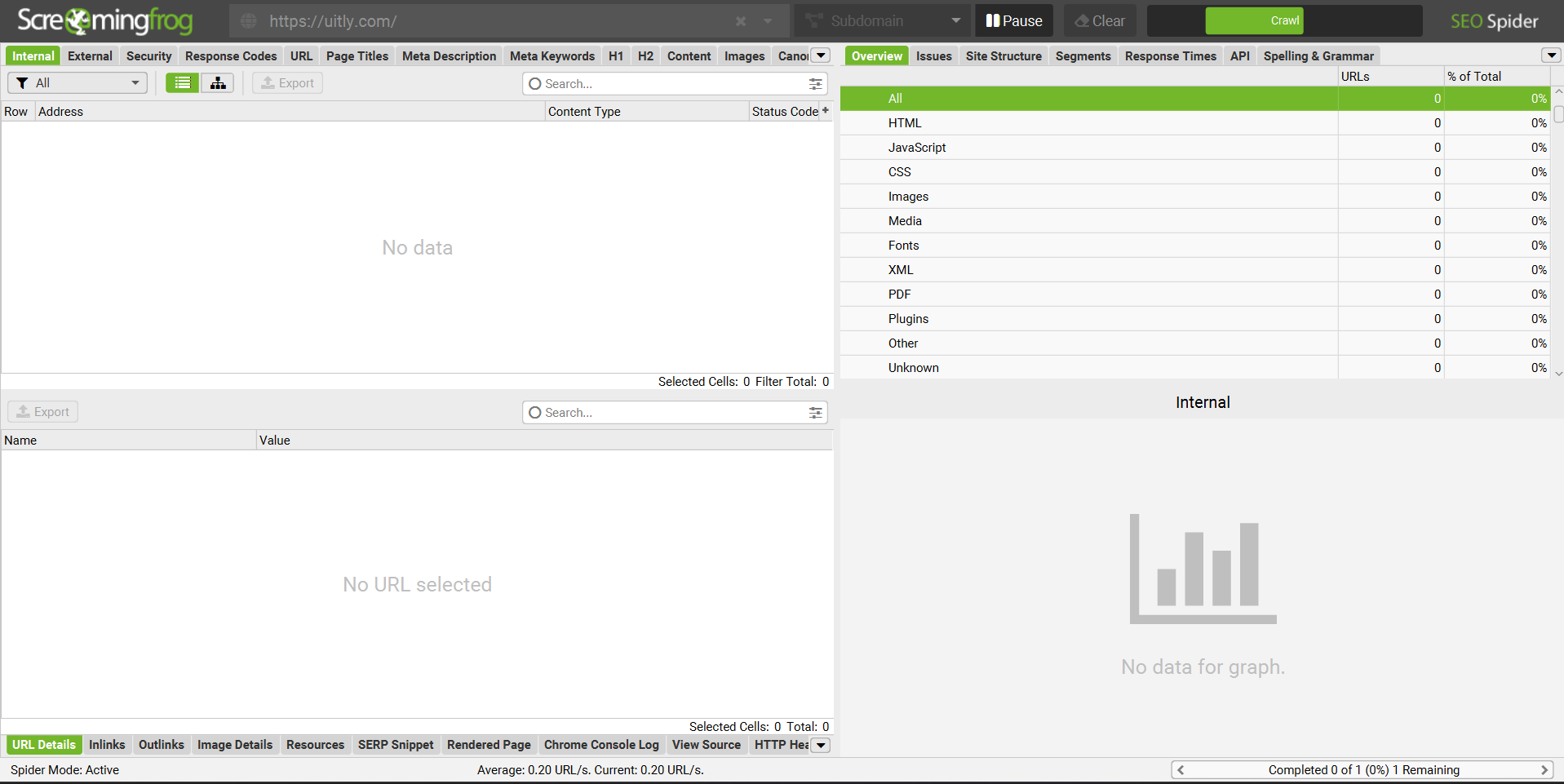
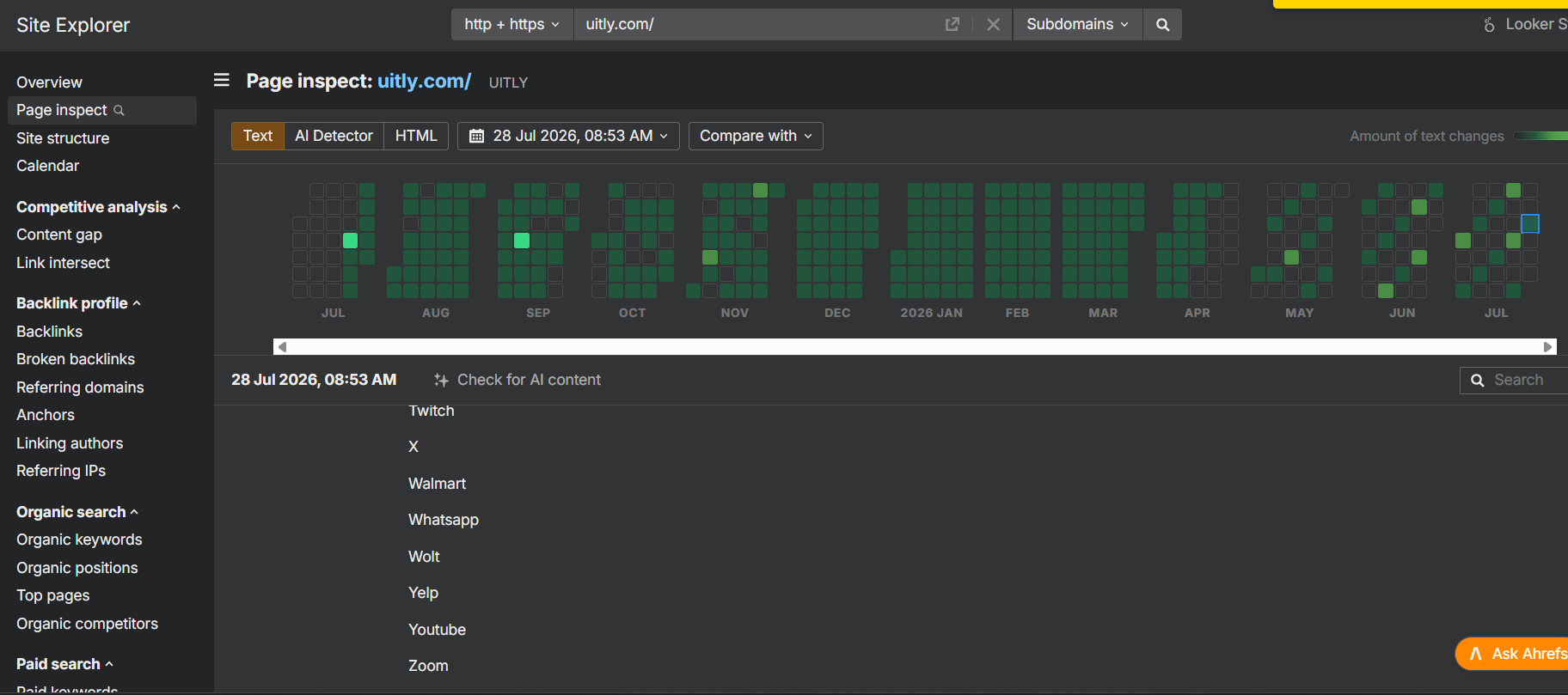
Start your website technical audit by crawling your site with a tool like Screaming Frog, Sitebulb, or Ahrefs Site Audit. Crawling gives you a full list of every page on your site. You will see title tags, meta descriptions, headers, and internal links in one place. This is often where you spot your first issues, such as missing tags or broken redirects.
Step 2: Review Site Structure and Indexability
Once you have your crawl data, check the parts of your site that control how search engines find and index your pages.
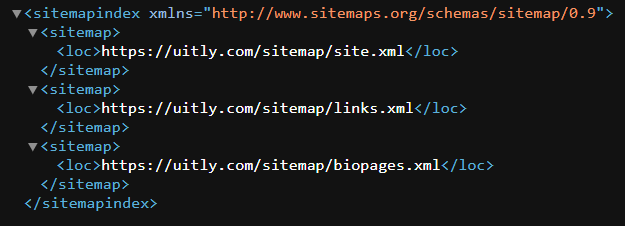
● XML sitemap: make sure it is current and only includes pages you want indexed
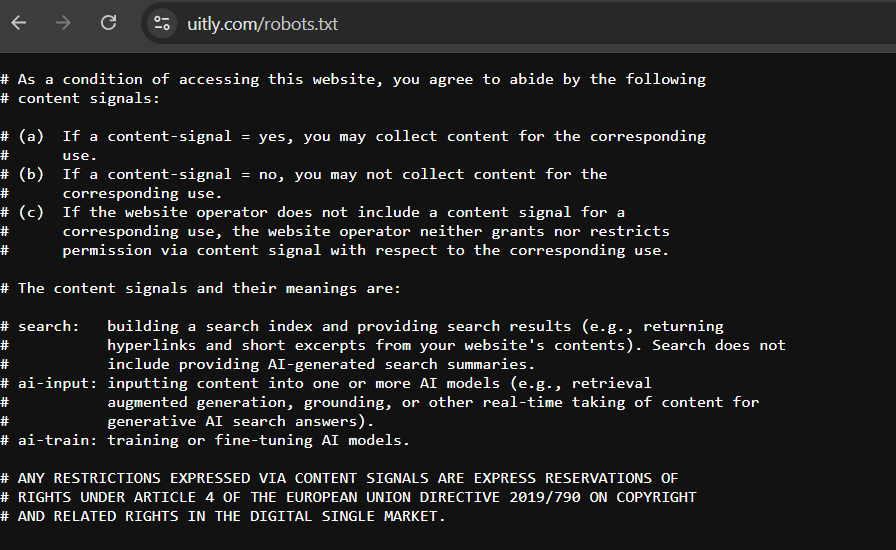
● Robots.txt file: confirm it is not blocking pages you need visible
● URL structure: keep URLs short, clear, and consistent
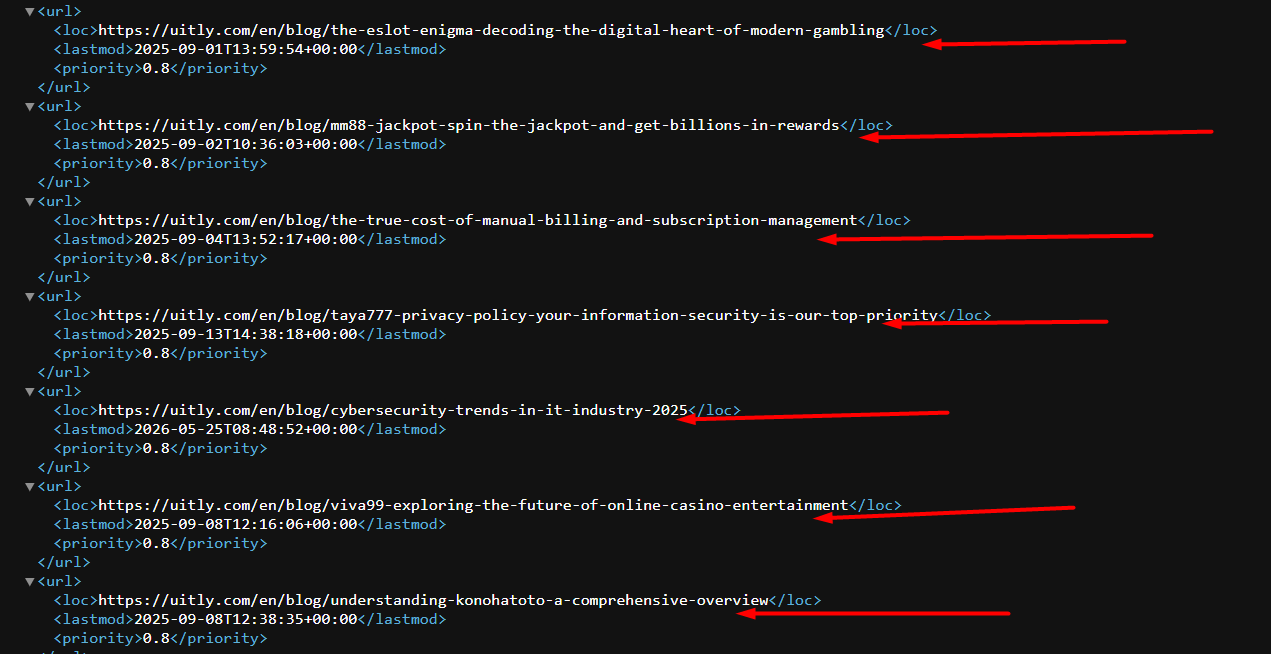
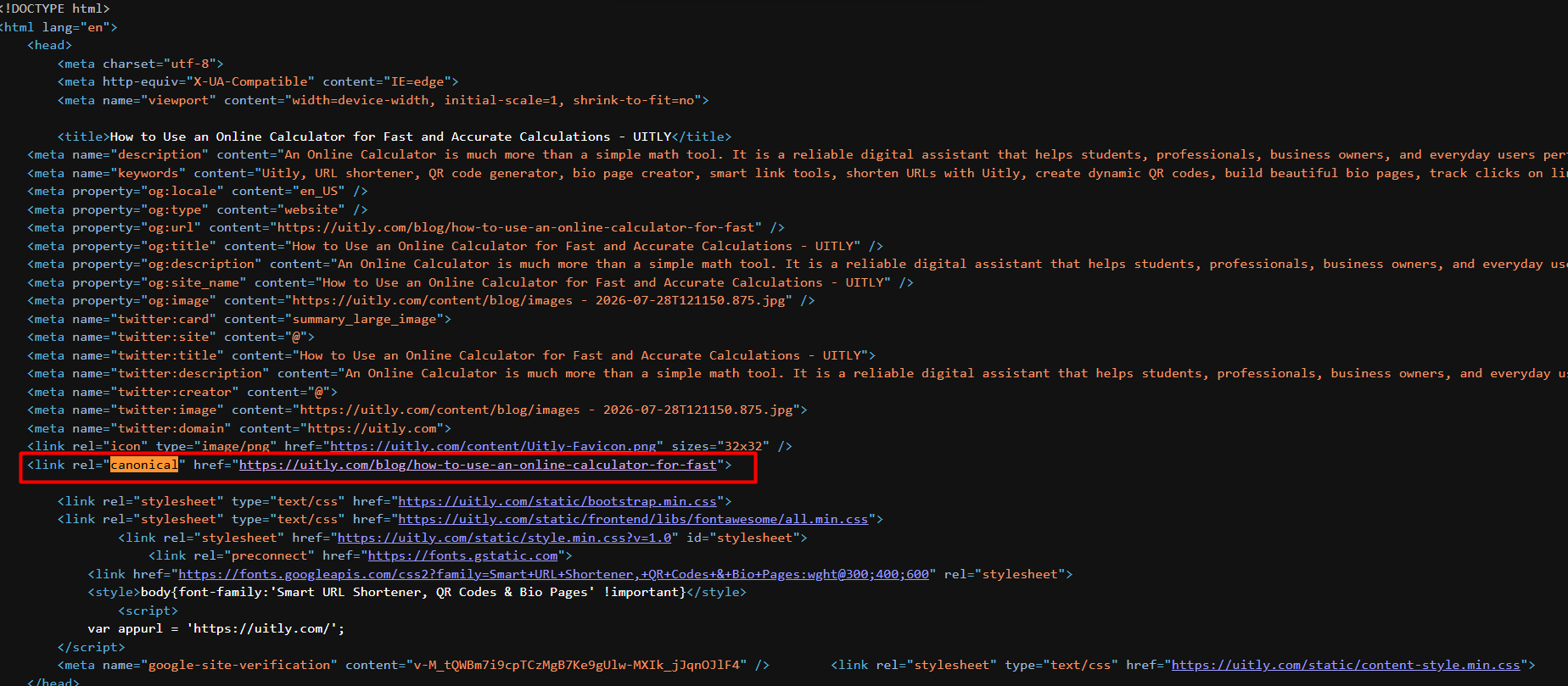
● Canonical tags: use these to avoid duplicate content problems
● It also helps to run a quick DNS lookup for the affected host, since stale records are an often-missed reason a page stays invisible to crawlers even when the sitemap and robots file are perfectly clean.
A clean site structure is one of the most important parts of any technical seo audit. Search engines cannot rank pages they cannot properly crawl.
Step 3: Test Website Speed and Core Web Vitals
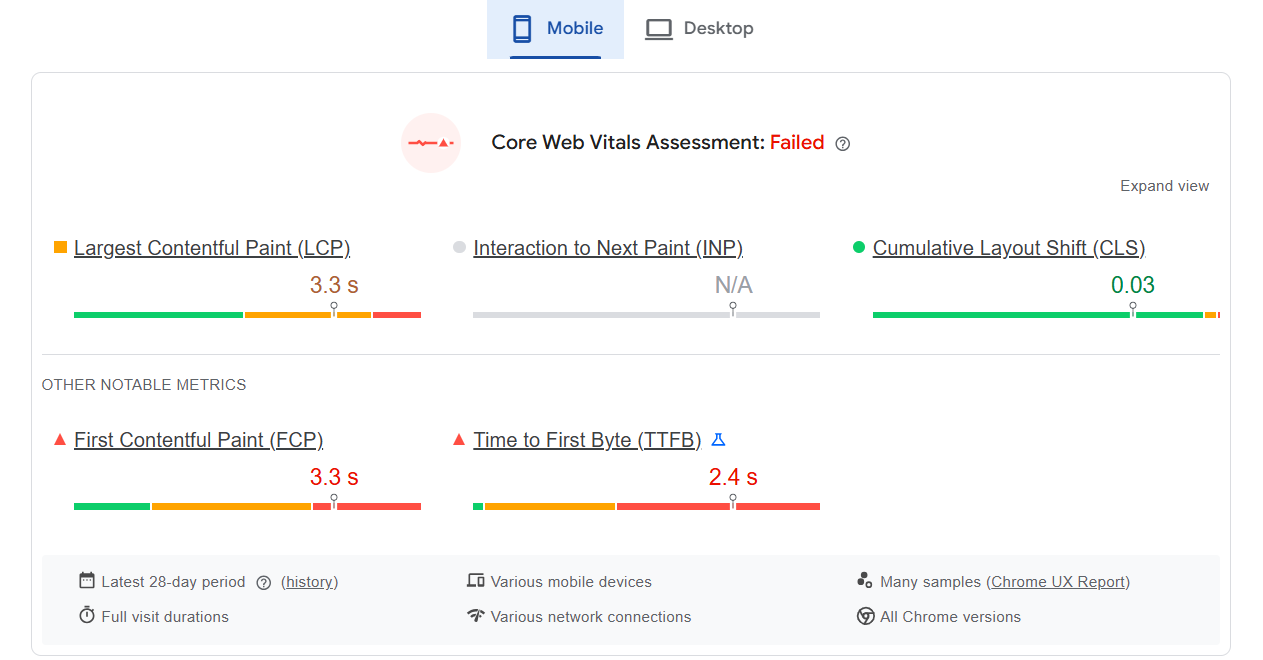
Page speed is a real ranking factor, and it plays a big part in any tech seo audit. Run a website speed test using Google PageSpeed Insights, GTmetrix, or Lighthouse. These tools measure your Core Web Vitals, which include three key metrics.
● Largest Contentful Paint: how fast your main content loads
● Interaction to Next Paint: how quickly your page responds to clicks and taps
● Cumulative Layout Shift: how stable your page looks while it loads
Passing these metrics improves user experience and helps your rankings. Simple fixes include compressing images, switching to webp images for smaller file sizes, turning on browser caching, and using a content delivery network.
Step 4: Check Mobile Usability

Google mainly uses the mobile version of your site to decide your rankings. Use Google's Mobile-Friendly Test to check for issues like small text, cramped buttons, or content that does not resize well on phones and tablets.
Step 5: Audit Site Security
Security builds trust with both users and search engines. Confirm your site runs on HTTPS with a valid SSL certificate. Check for mixed content warnings, which happen when a secure page loads insecure elements. Tools like SSL Labs can help you spot these issues quickly.
Step 6: Review On-Page and Off-Page Signals
A technical SEO audit focuses on your backend, but it is worth checking how it connects to your wider strategy.
● On-page SEO: title tags, header structure, internal links, image alt text, and keyword use
● Off-page SEO: backlink quality, referring domains, and brand mentions that build authority
If you want to build authority through quality backlinks, this guide on link building services for HR tech platforms is a helpful place to start, even if you are outside the HR tech space, since the core principles apply broadly.
Step 7: Review Content Structure
Search engines and readers both rely on clear content structure to understand a page. During your audit, check the following.
● Each page uses one H1 followed by a clear H2 and H3 order
● Content is broken into short, easy to scan sections
● There is no duplicate, thin, or outdated content left on your site
● Internal links connect related pages in a natural way
Clear structure helps search engines understand your content faster. It also keeps readers on your page longer, which supports your rankings over time.
Step 8: Document Findings and Prioritize Fixes
A technical audit only helps you if you act on it. Sort your findings by impact and effort so you know what to fix first.
● High impact and low effort: broken links, missing alt text, redirect errors
● High impact and high effort: Core Web Vitals improvements, site restructuring
● Lower priority: small metadata tweaks and minor warnings
Working through issues in this order gives you visible results faster, without getting stuck on fixes that take a long time to show impact.
Final Thoughts
A strong technical SEO audit is not a one time task. It is something you should revisit regularly to keep your site healthy and competitive. When you work through crawlability, speed, Core Web Vitals, mobile usability, security, and content structure, you build a solid base for the rest of your SEO efforts to succeed.
If you would rather have experts handle this for you, the team at ScalixAI can help you turn technical fixes into real, measurable growth for your business.