

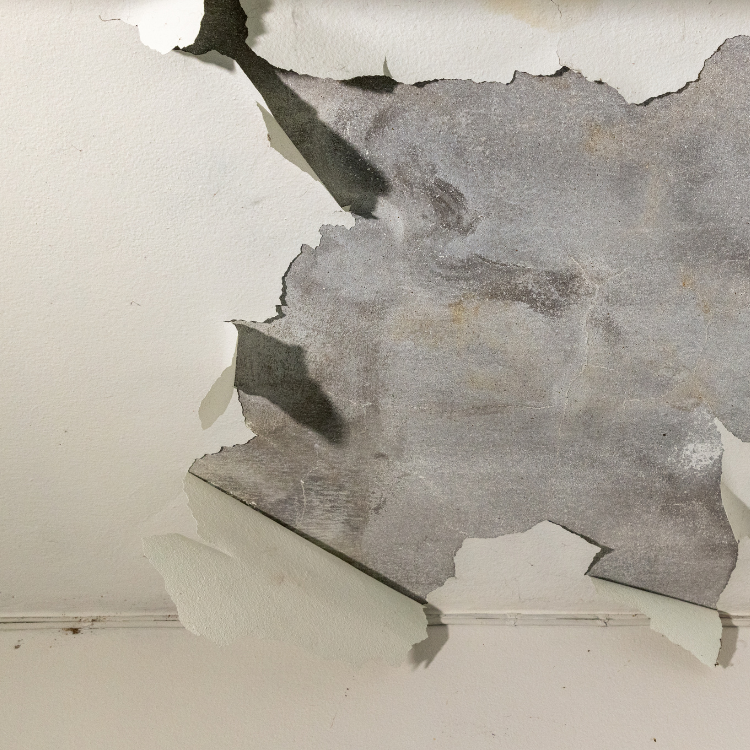
A homeowner in Katy notices her water bill has climbed $80 over the past two months. She chalks it up to a hot summer. Six months later, a section of her living room floor buckles, a musty smell settles into the walls, and a plumber tells her she has had an active slab leak the entire time.
That scenario is not rare in the Houston area. It happens more than most homeowners expect, and the reason is almost always the same: slab leaks are quiet, invisible, and easy to dismiss until they are not.
What Is a Slab Leak and Why Is Houston Particularly Vulnerable?
A slab leak is a leak in the water lines running beneath the concrete foundation of a home. Most Houston homes are built on slab foundations rather than basements, which means all the supply and drain piping is embedded in or directly beneath that concrete pour.
When those pipes develop a crack, pinhole, or joint failure, water escapes into the surrounding soil or concrete, often without any immediate surface sign.
Houston's geology makes this worse. The city sits on expansive clay soil that swells when wet and contracts during dry spells. Over years, this constant movement shifts the slab, creates stress on embedded pipes, and accelerates the micro-abrasions that eventually cause leaks. Harris County and the surrounding counties experience some of the most active soil movement in the country, according to data from the Texas Department of Transportation and USGS geological surveys.
Add in the age of housing stock across neighborhoods like Bellaire, Pasadena, Humble, and Spring, where thousands of homes were built in the 1960s through 1990s using copper or galvanized steel pipe, and you have a region-wide vulnerability hiding beneath the feet of families every day.
How Slab Leaks Actually Form
Understanding the mechanics helps homeowners take the warning signs seriously. There are three primary causes.
Pipe Corrosion Over Time
Copper pipes corrode from the inside out when water chemistry is off. Houston's water supply can carry higher mineral content in certain areas, which accelerates this process. Galvanized steel pipes, common in homes built before the 1980s, develop rust buildup and eventually pit through entirely. Once the internal wall of a pipe thins past a certain point, water pressure does the rest.
Abrasion from Movement
Pipes embedded in concrete are surrounded by aggregate material. Every time the foundation shifts slightly, from seasonal soil movement, from the vibration of daily water use, or from nearby construction activity, the pipe rubs against that material. Over decades, the constant micro-friction wears through the pipe wall. This is especially common on hot water supply lines because thermal expansion causes them to move more frequently.
High Water Pressure
Residential water pressure above 80 PSI is generally considered problematic. Excess pressure strains joints and fittings, particularly at elbows and connections beneath the slab. Many Houston-area homes have never had their pressure tested or regulated, and some receive supply pressure well above safe levels depending on the municipal feed in their neighborhood.
Warning Signs That Are Easy to Miss
Most slab leaks are slow. They do not announce themselves with a gushing pipe or an obvious puddle. The signs are subtle, and that subtlety is what makes them so destructive.
Watch for:
A water bill that rises without explanation, even a consistent $30 to $50 monthly increase warrants investigation
Warm spots on tile or hardwood flooring, particularly near the center of a room
The sound of running water when all fixtures are off
Reduced water pressure throughout the home
Unexplained cracks in baseboards, drywall, or tiles
Mold or mildew smell in rooms without visible moisture
Soggy or soft patches in the yard that do not correspond to irrigation
Any single one of these is a reason to act. Two or more together is a reason to call a licensed plumber the same day.
The Real Cost of Waiting
This is where homeowners tend to underestimate the risk. A slab leak caught early, before significant water migration, might require targeted pipe repair or a limited repipe. The cost is manageable. But every week that passes without intervention compounds the damage.
Water migrating beneath a slab undermines the soil beneath the foundation. Over time, voids form, and the concrete begins to settle unevenly. Foundation repair in Houston typically runs from $5,000 to $30,000 or more depending on the severity, and that is before any plumbing work is done. The two repairs become linked, but insurance policies often complicate coverage when the root cause was a slow leak rather than a sudden event.
Mold is the other compounding factor. Moisture trapped beneath flooring or inside wall cavities creates ideal conditions for mold growth within 24 to 48 hours. Remediation is expensive, disruptive, and sometimes requires temporary relocation.
There is also the property value dimension. A home with an unresolved or previously unaddressed slab leak will almost always fail a hydrostatic pressure test during a real estate transaction. In a market where buyers are already cautious, that failure can kill a sale or force a significant price reduction.
How a Licensed Plumber Diagnoses a Slab Leak
Modern slab leak detection does not require tearing up floors. A licensed plumber with the right equipment will typically start with a hydrostatic pressure test to confirm that a leak exists somewhere in the system. From there, electronic leak detection and acoustic listening devices can isolate the location to within a few inches, even beneath a concrete slab.
Thermal imaging is another tool used on hot water line leaks. The warmer water escaping from a breach creates a detectable temperature differential at the slab surface, which shows up clearly on infrared equipment.
None of this is guesswork. When it is done properly by an experienced crew, the diagnostic phase is precise, non-invasive, and fast.
Repair Options: What the Choices Actually Mean
Once a slab leak is confirmed and located, there are generally three directions a homeowner can go.
Spot repair: The slab is opened at the leak location, the damaged section of pipe is replaced, and the concrete is patched. This is the least expensive upfront option, but in an older home with corroded pipes throughout, a spot repair often buys only a few months before the next leak appears nearby.
Rerouting: The leaking line is abandoned in place and a new pipe is rerouted through the walls and attic instead. This avoids the need to cut into concrete and works well when the leak is isolated to one branch of the system.
Whole-house repipe: When the plumbing system is old and the copper or galvanized lines are corroded throughout, a full repipe replaces every water line in the home with modern material, typically Uponor PEX-A, which is highly flexible, freeze-resistant, and built for long-term residential use. This eliminates the risk of future slab leaks from the supply side entirely and makes the most economic sense for homes where the pipe material itself is the underlying problem.
The right choice depends on the age of the home, the material and condition of the existing pipes, and the number of prior leaks or repairs. A reputable plumber will walk through all three options and explain the trade-offs honestly.
Key Takeaways
Houston's expansive clay soil and aging housing stock make slab leaks more common here than in most U.S. cities.
Slow leaks can cause serious foundation and mold damage for months before a homeowner notices any visible sign.
Rising water bills, warm floor spots, and unexplained pressure loss are the earliest and most reliable warning signals.
Early intervention almost always costs significantly less than treating the compounding damage from a delayed repair.
Whole-house repiping with modern PEX-A material eliminates the supply-side risk entirely in homes with corroded pipe systems.
FAQ
How do I know if my home is at higher risk for a slab leak?
Homes built before 1990 with original copper or galvanized steel plumbing are the most at risk, particularly in the Houston area where soil movement is significant. If your home has had previous spot repairs or recurring pressure loss, that pattern often points to a system-wide corrosion problem rather than a one-off incident.
Will my homeowner's insurance cover a slab leak repair?
Coverage varies considerably by policy. Most standard policies cover sudden and accidental discharge but exclude slow leaks or damage resulting from neglect. The foundation damage that results from a prolonged leak is often excluded or subject to a separate sub-limit. Reading your policy carefully and getting a plumber's written report early in the process gives you the best chance of a successful claim.
Can I detect a slab leak myself before calling a professional?
You can do a basic check by turning off all water in the home and watching your water meter for movement. If the meter dial continues to move with everything off, water is escaping somewhere in the system. This tells you a leak exists but does not tell you where. Pinpointing the location accurately requires professional acoustic or thermal detection equipment.
What is hydrostatic testing and when is it needed?
A hydrostatic test pressurizes the drain system with water to check for leaks. It is commonly required by insurance companies after a slab leak claim and is frequently ordered during real estate transactions when the inspector suspects plumbing issues. Failing a hydrostatic test during a home sale can stall or end a transaction if the plumbing issue is not resolved.
Where can I find a reputable slab leak specialist in the Houston area?
Look for a licensed, BBB-accredited company with documented experience in slab leak detection and whole-house repiping specifically. Repipe Solutions Inc is one example of a Houston-based specialist that handles everything from leak detection through full repipe and drywall restoration under a single scope, which matters when you want one point of accountability for the entire project.
Closing Thought
Slab leaks rarely look like emergencies until they become one. The damage they cause is cumulative, structural, and expensive in a way that almost no other household plumbing failure can match. But they are also predictable. Homes of a certain age, with certain pipe materials, in certain soil conditions, are working against a clock.
The homeowners who come out of this problem in the best position are almost always the ones who acted on the early signals rather than waiting for confirmation. If something feels off with your water bill, your floors, or your pressure, that instinct is worth trusting.