

Introduction
Image to video is an advanced artificial intelligence technology that converts static images into moving video content. Instead of creating videos from scratch, users can now upload one or more images, and AI automatically generates motion, depth, and animation effects to bring them to life.
This technology is rapidly changing content creation in fields like social media, marketing, filmmaking, and digital storytelling. It allows creators to turn simple pictures into engaging videos within seconds or minutes.
What is Image to Video Technology?
Image to video refers to AI systems that analyze a still image and generate realistic motion based on its content. The AI predicts how objects in the image would move in real life and creates smooth animations.
For example:
A photo of a person can be turned into a talking or blinking video
A landscape image can be animated with moving clouds, water, or lighting changes
A product image can be transformed into a promotional video with motion effects
How Image to Video AI Works
Image to video systems rely on multiple AI techniques working together:
Image analysis: The AI studies objects, depth, and structure in the image
Motion prediction: It estimates how elements should move naturally
Frame generation: The AI creates intermediate frames between motion states
Video synthesis: All frames are combined into a smooth video sequence
Key Features of Image to Video Tools
Modern image to video platforms offer several powerful features:
1. Automatic Animation
Users can animate still images without any editing skills.
2. Motion Effects
AI adds realistic movements like camera zoom, pan, and object motion.
3. Style Control
Users can choose cinematic, cartoon, realistic, or artistic video styles.
4. Audio Integration
Some tools add background music, voiceovers, or sound effects automatically.
5. High-Resolution Output
AI-generated videos can be exported in HD or even 4K quality.
Popular Use Cases of Image to Video
Image to video technology is used in many industries:
Social Media Content
Creators turn photos into short, engaging videos for platforms like Instagram, TikTok, and YouTube.
Marketing and Advertising
Businesses convert product images into promotional videos to attract customers.
Education
Teachers use animated visuals to explain complex topics more effectively.
Entertainment
Artists and filmmakers use AI to create dynamic scenes from concept art.
Personal Projects
Users animate family photos or memories for storytelling purposes.
Benefits of Image to Video Technology
1. Saves Time and Effort
Creating videos manually can take hours or days, but AI reduces it to minutes.
2. No Editing Skills Required
Anyone can create videos without learning complex software.
3. Cost-Effective Production
It reduces the need for expensive video production tools and teams.
4. Boosts Creativity
Users can experiment with animations and storytelling easily.
5. High Engagement Content
Animated visuals attract more attention than static images.
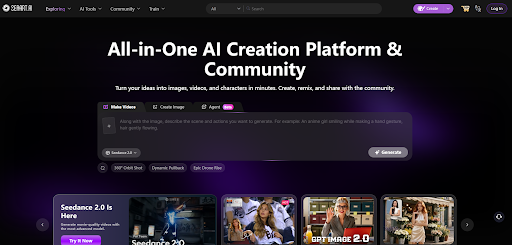
SeaArt AI: A Powerful AI Art Generator for Creative Design
Introduction
SeaArt AI is a modern artificial intelligence platform designed for generating images, digital artwork, and creative visuals using simple text prompts. It allows users to create high-quality art without needing drawing skills, professional design tools, or complex software knowledge.
With the growing demand for AI-generated content, SeaArt AI has become popular among designers, content creators, marketers, and hobbyists who want fast and creative visual results.
What is SeaArt AI?
SeaArt AI is an AI-powered image generation tool that converts text descriptions into detailed artwork. Users simply type what they want to see, and the AI produces an image based on that input.
For example:
“A futuristic city at sunset in cyberpunk style”
“Anime girl standing in a rainy street”
“Realistic portrait of a warrior in armor”
The platform then generates visuals that match the description using advanced machine learning models.
How SeaArt AI Works
SeaArt AI uses deep learning models trained on large datasets of images and artistic styles. These models learn patterns such as shapes, colors, textures, and composition.
The process works like this:
The user enters a text prompt
The AI interprets the meaning and style request
A diffusion-based model generates an image step-by-step
The final artwork is refined for detail, lighting, and realism
This allows the system to produce highly detailed and creative images in seconds.
Key Features of SeaArt AI
SeaArt AI includes several powerful features that make it useful for creative work:
1. Text-to-Image Generation
Users can turn written ideas into fully generated artwork instantly.
2. Multiple Art Styles
The platform supports styles like realistic, anime, fantasy, 3D, illustration, and cinematic art.
3. Customization Options
Users can adjust resolution, lighting, color tone, and artistic style.
4. AI Model Selection
Different models allow users to generate specific types of visuals depending on their needs.
5. Fast Rendering
SeaArt AI produces high-quality images quickly, making it ideal for content creation.
Use Cases of SeaArt AI
SeaArt AI is used across many industries and creative fields:
Digital Art Creation
Artists use it to generate inspiration or complete artwork faster.
Social Media Content
Creators produce eye-catching visuals for posts, thumbnails, and banners.
Marketing and Advertising
Businesses design promotional graphics and product visuals.
Game Development
Developers use AI-generated assets for characters, environments, and concept art.
Personal Projects
Users create wallpapers, avatars, and creative designs for fun.
Benefits of SeaArt AI
SeaArt AI offers several important advantages:
No drawing or design skills required
Fast and efficient image generation
Wide range of artistic styles
Cost-effective alternative to hiring designers
High creativity and inspiration support
These benefits make it a valuable tool for both professionals and beginners.
Challenges and Limitations
Despite its strengths, SeaArt AI also has some limitations:
Sometimes generated images may not fully match the prompt
Complex scenes can produce inconsistent details
Limited control compared to manual digital painting
Requires good prompt writing for best results
However, continuous AI improvements are helping reduce these issues.
Future of SeaArt AI
The future of SeaArt AI looks very promising. With advancements in artificial intelligence, the platform may soon offer:
-
Keep reading
More posts from our blog
Herbal Supplements That Support Effective Thyroid TreatmentBy AmirUIT September 23, 2026Managing thyroid health effectively often requires a comprehensive approach that includes lifestyle changes, medication, and sometimes, herbal...Read moreFive Proven Techniques That Drive Digital Growth — Insights from an SEO & GEO Agentur WienBy AmirUIT September 23, 2026In the dynamic landscape of digital marketing, agencies are constantly seeking effective strategies to enhance their online presence and drive growth....Read more Doxypep vs PrEP: wat is het verschil bij soa-preventieBy AmirUIT September 23, 2026TL;DR: Doxypep en PrEP zijn geen concurrenten, het zijn twee verschillende vormen van soa-preventie die vaak door elkaar gehaald worden. PrEP...Read more